 ultimate-guide
Hiring a Private Investigator for Criminal Defense
Table of Contents
- The Role of a Private Investigator in Criminal Defense
- Types of Evidence a Private Investigator Can Uncover
- When to Hire a Private Investigator for Your Case
- Private Investigator Witness Interview Techniques
- Private Investigator Cost for Criminal Defense
- Hiring a Private Investigator for Wrongful Death Cases
- How to Vet and Select the Right Private Investigator
- Frequently Asked Questions
Last Updated: September 1, 2026
The Role of a Private Investigator in Criminal Defense
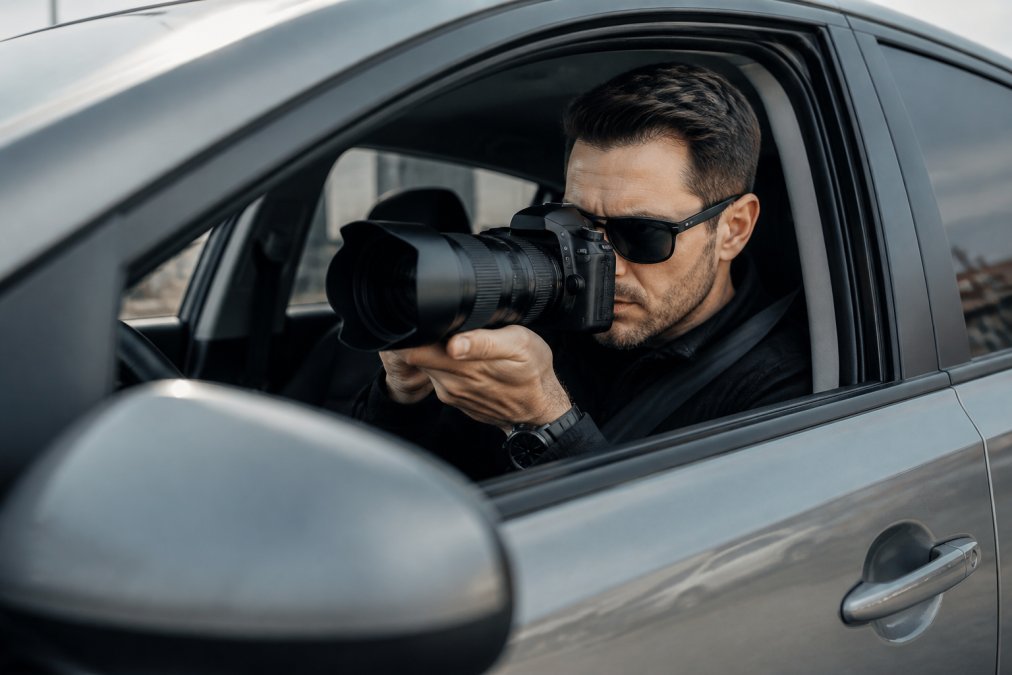
A private investigator in criminal defense is a licensed professional who gathers evidence, interviews witnesses, and uncovers facts to support a defendant's legal strategy. Unlike prosecution investigators, they work to establish reasonable doubt, locate exculpatory evidence, and strengthen the defense case before trial.
The investigator's core mission is to find what the prosecution missed, challenge their claims, and document everything in a way that holds up in court. When a defendant faces criminal charges, prosecutors have subpoena power, police resources, and forensic labs. A private investigator levels that field by conducting independent discovery and building a factual record the defense attorney can use in depositions and at trial.
MCP Investigations & Security brings over 20 years of experience to criminal defense work. Our team understands what prosecutors will argue, what juries will question, and what evidence actually holds weight in court. We've worked with defense attorneys across the region to uncover witness statements that contradict police reports, locate records that establish alibis, and conduct crime scene analysis that reveals alternative explanations for physical evidence.
The investigator serves as both a behind-the-scenes fact-finder and potential courtroom witness, documenting chain of custody, preserving evidence integrity, and testifying about investigation methodology and forensic findings. This dual role makes selecting the right investigator critical to case outcomes.
Types of Evidence a Private Investigator Can Uncover
Private investigators uncover evidence across multiple categories, each serving a different strategic purpose in criminal defense.
Witness testimony and statements form the foundation of most investigations. An investigator locates witnesses the prosecution may have overlooked, conducts detailed interviews, and documents inconsistencies in their accounts. A witness who seemed credible to police might have a history of dishonesty, a financial motive to lie, or simply misremembered details under stress.
Background checks on witnesses reveal criminal history, civil judgments, restraining orders, and financial desperation that affect credibility. A witness with prior convictions for perjury carries different weight than one with a clean record. A witness facing bankruptcy might have motivation to accept payment for testimony.
Crime scene analysis and documentation conducted by the investigator provides an independent account. Police photographs tell one story. An investigator's measurements, lighting analysis, sightlines, and physical evidence documentation might reveal an obstruction that blocked the defendant's line of sight, becoming powerful evidence at trial.
Records retrieval uncovers documents that establish alibis, contradict timelines, or show motive. Phone records, financial transactions, employment records, medical records, and certified convictions are obtainable through proper channels. An investigator with nationwide capability can pull records across state lines, essential in cases where the defendant claims to have been elsewhere when the crime occurred.
Digital forensics and surveillance documentation examine electronic evidence and track movements. If the defendant's phone location data contradicts the prosecution's timeline, or if security camera footage from nearby businesses shows a different sequence of events, an investigator trained in digital evidence recovery can locate and preserve it.
Expert witness preparation involves working with forensic experts, medical professionals, or other specialists to review evidence and prepare testimony. The investigator coordinates with specialists and ensures their findings support the defense narrative.
When to Hire a Private Investigator for Your Case
The decision to hire a private investigator should be made early, ideally before the discovery process concludes. Waiting until trial preparation begins limits the investigator's ability to locate and interview witnesses while memories are fresh.
Hire immediately if the case involves serious charges. Felony cases, especially violent crimes or cases with potential prison sentences, warrant investigation from the start. A private investigator can begin work while the attorney is still building the case strategy.
Hire if witness credibility is central to the case. If the prosecution's case depends on one or two key witnesses, investigating those witnesses becomes critical. An investigator can uncover prior inconsistent statements, bias, motive to lie, or credibility problems.
Hire if the timeline is disputed. Cases hinge on whether the defendant could have been at the crime scene at the time it occurred. An investigator can establish alibi evidence through witness statements, records, surveillance footage, and location data.
Hire if physical evidence seems questionable. If the prosecution relies on forensic evidence, fingerprints, DNA, or crime scene analysis, an investigator can work with defense experts to challenge the methodology, handling, or interpretation and document alternative explanations.
Hire if the defendant cannot afford to wait. If your attorney needs witness interviews and scene documentation completed within 60 days, hiring an investigator early ensures the work gets done on schedule.
Hire if discovery reveals gaps. Once the prosecution provides discovery materials, review them carefully with your attorney. If key evidence is missing, timelines don't match, or witness statements contradict each other, an investigator can fill those gaps before trial.
Private Investigator Witness Interview Techniques
Effective witness interviews require skill, preparation, and a clear strategy. A private investigator approaches interviews differently than police do, aiming to uncover truth and document what the witness actually knows.
Preparation precedes every interview. The investigator reviews all available records about the witness: police reports, prior statements, background information, and any documents that mention them. This preparation reveals contradictions, establishes credibility issues, and identifies areas where the witness's account conflicts with other evidence.
Location matters. Interviews conducted in neutral, comfortable settings produce better results than those in police stations or under confrontational circumstances. A witness interviewed at home or in a private office is more likely to relax and provide detailed, accurate information (peer-reviewed research).
Open-ended questions come first. Rather than leading with specific details, the investigator asks the witness to describe what they saw, heard, or know in their own words. Open-ended questions reveal what the witness naturally remembers, not what they've been coached to say.
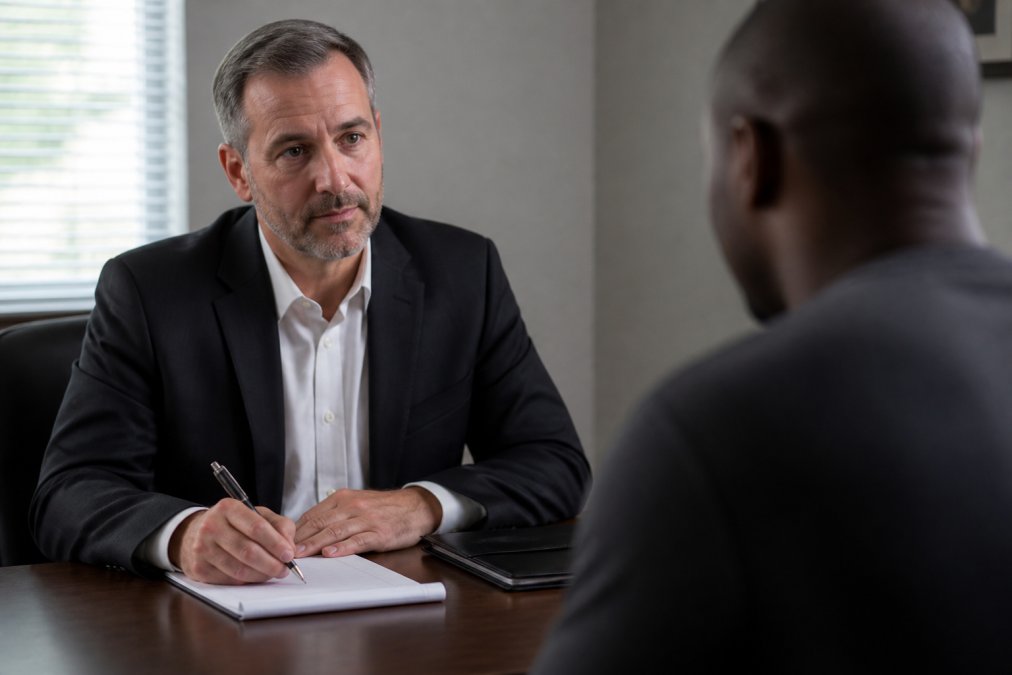
Follow-up questions clarify and test consistency. Once the witness provides their account, the investigator asks specific questions to fill gaps, establish timelines, and identify areas where the account conflicts with other evidence.
Documentation is meticulous. The investigator records the interview (with consent), takes detailed notes, and follows up with a written statement the witness can review and sign. This documentation preserves the witness's account for trial and creates a record the prosecution cannot dispute.
Credibility assessment happens in real time. The investigator notes inconsistencies, hesitations, and areas where the witness seems uncertain versus confident. Does the witness have reason to lie? Have they changed their story? These observations inform the defense strategy.
Private Investigator Cost for Criminal Defense
The cost of hiring a private investigator depends on the scope of work, the complexity of the case, and the geographic area involved.
Hourly rates vary by investigator experience and location. Rates typically reflect the investigator's expertise, credentials, and track record.
Case scope determines total cost. A straightforward witness interview might take 5-10 hours. A comprehensive investigation involving multiple witnesses, records retrieval across state lines, crime scene analysis, and expert coordination could require 40-100+ hours.
Records retrieval costs vary by source. Some records are free or low-cost; others require certified copies, retrieval fees, or specialized access. An investigator with nationwide capability can obtain records more efficiently than an attorney coordinating across multiple jurisdictions.
Travel expenses add to the total cost if witnesses or evidence are located outside the immediate area. If your case involves witnesses in multiple states, the investigator's travel time and expenses increase the overall cost.
Expert witness coordination may involve additional costs if the investigator works with forensic experts, medical professionals, or other specialists.
Pricing transparency matters. Before hiring an investigator, discuss the fee structure clearly. Will you pay hourly rates, flat fees for specific tasks, or a combination? What expenses are included? What's the expected timeline?
MCP Investigations & Security provides transparent pricing and detailed estimates for criminal defense work. Contact us for a consultation to discuss your specific case needs and get an accurate cost projection.
Hiring a Private Investigator for Wrongful Death Cases
Wrongful death cases require specialized investigation that differs significantly from standard criminal defense work. These cases demand thorough evidence gathering, expert witness coordination, and documentation suitable for civil litigation and potential settlement negotiation.
Wrongful death cases involve both criminal and civil dimensions. If a death resulted from criminal conduct, both criminal prosecution and civil wrongful death litigation may occur. The investigation strategy differs because civil cases require documentation of damages, liability, and causation, not just proof of guilt or innocence.
Evidence gathering focuses on establishing how the death occurred, who bears responsibility, and what damages resulted. This includes medical records, autopsy reports, witness statements, and documentation of the deceased's earning potential and family impact.
Expert witnesses carry more weight in wrongful death cases. Medical experts, accident reconstruction specialists, and other professionals testify about causation and liability. The investigator locates qualified experts, coordinates their review of evidence, and ensures their findings support the case.
Witness interviews often involve grieving family members, first responders, and bystanders. The investigator gathers detailed information about the events and the impact of the death on surviving family members.
Documentation for settlement and trial must be comprehensive and well-organized. Wrongful death cases often settle before trial, but settlement negotiations depend on strong evidence of liability and clear documentation of damages.
Multi-state coordination is common in wrongful death cases. An investigator with nationwide capability can gather evidence and conduct interviews efficiently across multiple states.
How to Vet and Select the Right Private Investigator
Selecting the right private investigator is one of the most important decisions you'll make in your case. The investigator's competence, experience, and integrity directly affect case outcomes.
Verify licensing and credentials. Every private investigator should be licensed in the state where they operate. Ask to see the investigator's license and verify it's current. Check whether they're bonded and insured.
Ask about criminal defense experience specifically. An investigator with criminal defense experience understands courtroom standards for evidence, knows how to conduct interviews that will hold up under cross-examination, and understands the discovery process. Ask how many criminal defense cases they've worked and what types of charges they've investigated.
Check references and case results. Ask the investigator for references from defense attorneys they've worked with. Call those attorneys and ask specific questions about timeliness, admissibility of evidence, and whether the investigator's work strengthened the defense.
Understand their approach to witness interviews. Ask how the investigator conducts interviews, whether they record them, and how they document findings. A professional investigator has a systematic approach and can explain their methodology.
Assess their ability to handle your specific case needs. If your case involves multiple states, does the investigator have nationwide resources? If it involves forensic evidence, do they have relationships with qualified experts? If it involves complex records retrieval, do they have access to necessary databases?
Evaluate communication and responsiveness. During the vetting process, how quickly does the investigator respond to your questions? An investigator who's responsive during hiring is more likely to stay responsive during the investigation.
Ask about confidentiality and privilege. In criminal defense cases, investigator work product may be protected by attorney-client privilege if the investigator works under the attorney's direction (americanbar.org). Ask the investigator how they handle confidentiality and whether they understand privilege issues.
Trust your instinct about fit. Beyond credentials and experience, you need an investigator you trust. Criminal defense investigations are sensitive and require integrity at every step. If something feels off during your initial consultation, keep looking.
MCP Investigations & Security is Southeast Missouri's first state-licensed detective agency with over 20 years of criminal defense experience. We're members of the National Defenders Investigator Association and have worked with defense attorneys across the region on complex cases involving witness interviews, crime scene analysis, and expert witness testimony. Contact us for a consultation.
Hiring a private investigator is an investment in your defense strategy. The right investigator uncovers evidence that strengthens your case, documents facts that support reasonable doubt, and prepares materials that hold up in depositions and trial. MCP Investigations & Security combines licensed expertise with nationwide resources to deliver the investigation support criminal defense cases demand. We understand what prosecutors will argue, what juries will question, and what evidence actually matters in court. Contact MCP Investigations & Security today to discuss your case and get started with an investigator committed to achieving the best possible outcome for your defense.
Frequently Asked Questions
What specific tasks can a private investigator perform for a criminal defense case?
A private investigator in criminal defense can locate and interview witnesses, conduct background checks, analyze crime scenes, retrieve records, gather exculpatory evidence, document surveillance, and prepare investigative reports for trial. They work to uncover facts that support your defense strategy, identify weaknesses in the prosecution's case, and ensure chain of custody documentation is proper. Their findings help your attorney build a stronger case and challenge prosecution evidence during discovery.
How much does hiring a private investigator cost for criminal defense?
Private investigator cost for criminal defense varies based on case complexity, investigation scope, timeline, and geographic reach. Factors include hourly rates, travel expenses, record retrieval fees, and expert witness testimony costs. Rather than assuming typical pricing, contact investigators directly for quotes tailored to your specific needs. Ask about fee structures upfront and what's included to avoid surprises and ensure the investigator can meet your trial deadline.
Is hiring a private investigator worth it for a criminal case?
Hiring a private investigator is worth it when your defense strategy depends on evidence the prosecution may have overlooked, witness statements need verification, or exculpatory evidence requires professional documentation. They level the playing field against the prosecution's resources and can identify reasonable doubt. However, timing matters, hire early so findings reach your attorney before trial preparation concludes. Discuss with your attorney whether investigation will meaningfully impact your case outcome.
How do I verify the credentials of a private investigator?
Verify that a private investigator holds a current state license, carries liability insurance, and maintains professional memberships like the National Defenders Investigator Association. Ask for references from past defense cases, confirmation of expert witness trial experience, and details on their investigative methodology. Request their background in criminal investigation, years of experience, and whether they understand admissible evidence standards. Confirm they can deliver findings within your trial timeline and maintain confidentiality throughout the discovery process.
What makes private investigator witness interview techniques effective in criminal defense?
Effective witness interview techniques include building rapport, asking open-ended questions, documenting statements accurately, and avoiding leading questions that compromise testimony credibility. Professional investigators know how to impeach inconsistent witness statements, identify potential bias, and prepare witnesses for deposition or trial. They understand chain of custody protocols and how to present findings that withstand cross-examination. Proper technique ensures witness statements are admissible and strengthen your defense strategy rather than create liability.
What should I look for when hiring a private investigator for a wrongful death case?
For wrongful death cases, hire a private investigator with specific experience in complex litigation, multi-state investigations, and expert witness testimony. Verify they can handle nationwide record retrieval, coordinate interviews across multiple witnesses, and work with forensic experts. Confirm they understand civil discovery processes, can document evidence for trial, and have deposition experience. Wrongful death cases often involve complex timelines and multiple defendants, ensure your investigator has resources and expertise to manage that complexity.
Can a private investigator testify as an expert witness in my criminal defense case?
Yes, a private investigator with relevant credentials and trial experience can testify as an expert witness in depositions and at trial. They can explain investigative methodology, authenticate evidence, challenge prosecution findings, and provide professional opinions on crime scene analysis or witness credibility. Confirm your investigator has prior expert witness experience, understands courtroom procedure, and can articulate findings clearly under cross-examination. Their testimony can significantly strengthen your defense by providing professional credibility to investigative findings.
This article was written using GrandRanker