 how-to
Private Investigator Deposition Preparation Tips
Table of Contents
- Why Deposition Preparation Is Different for Private Investigators
- Deposition Preparation Checklist for Investigators
- Expert Witness Deposition Questions You Should Expect
- How to Handle Cross-Examination as a Witness
- Testimony Dos and Don'ts for Private Investigators
- Remote and Virtual Deposition Etiquette for Investigators
- Aligning Your Testimony With Case Theory
- Conclusion
Last Updated: August 22, 2026
Why Deposition Preparation Is Different for Private Investigators
Private investigators face a unique deposition challenge: you're not just recounting events, you're defending your methodology, documentation process, and field decisions. Opposing counsel will probe every gap in your notes, question your techniques, and exploit any inconsistency to impeach your credibility.
The core tension is this: you gathered facts under pressure with incomplete information, and now you're defending every decision with perfect hindsight. Understanding that tension is the starting point for effective preparation.
According to Federal Rules of Civil Procedure overview, depositions are discovery tools allowing opposing counsel to examine witnesses under oath before trial. Your sworn statement becomes part of the official record, and any inconsistency with trial testimony is fair game for impeachment. Preparation is not optional.
Deposition Preparation Checklist for Investigators
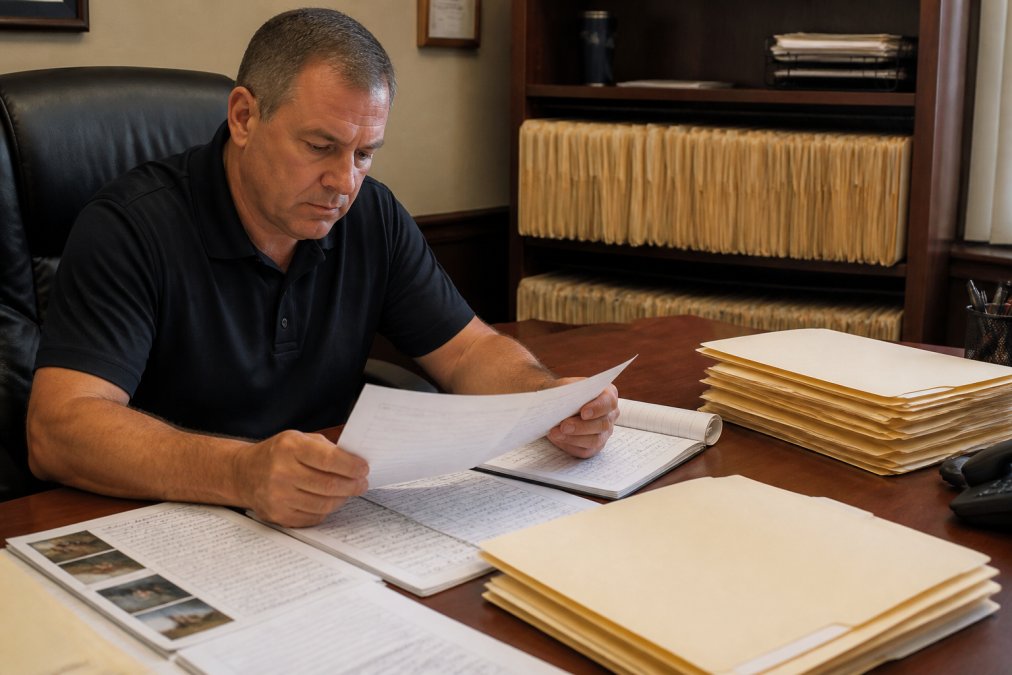
Systematic preparation separates credible witnesses from those who get torn apart on the stand. Work through this checklist two weeks before your deposition, not the night before.
| Preparation Task | When to Complete | Why It Matters |
|---|---|---|
| Organize all field notes chronologically | 2 weeks before | Prevents timeline inconsistencies under questioning |
| Verify chain of custody documentation | 2 weeks before | Establishes admissibility of evidence |
| Authenticate digital files and metadata | 1 week before | Counters challenges to digital evidence integrity |
| Review your original case report | 3 days before | Refreshes recollection without creating new statements |
| Meet with retaining counsel | 2-3 days before | Aligns testimony with case theory |
| Confirm deposition format (in-person/remote) | 1 week before | Prepares logistics and platform setup |
Organize Your Field Notes and Surveillance Logs
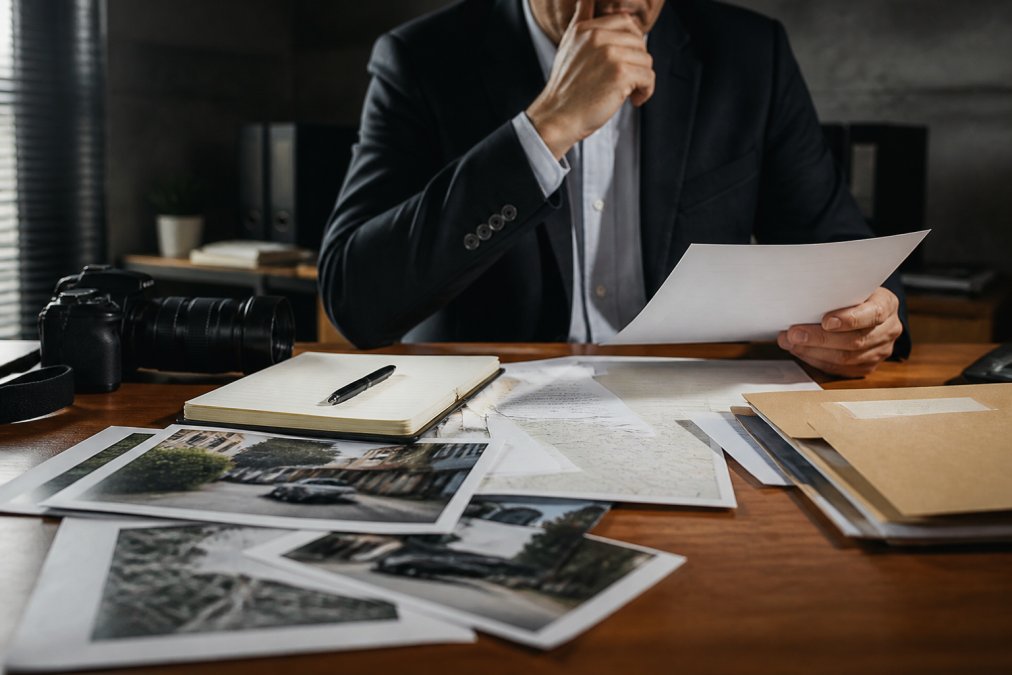
Field notes are the backbone of your testimony. Organize surveillance logs chronologically and cross-reference them against your written report. Every time entry, location notation, and subject description should be consistent across all documents. A common mistake is allowing informal shorthand in field notes that contradicts formal language in the final report, that discrepancy becomes a credibility problem during deposition.
Before your deposition, identify gaps in surveillance coverage, times when you weren't observing, and locations you couldn't access. These are legitimate and explainable, but if you haven't thought them through in advance, you'll fumble the answer when opposing counsel asks directly.
Verify Chain of Custody for All Evidence
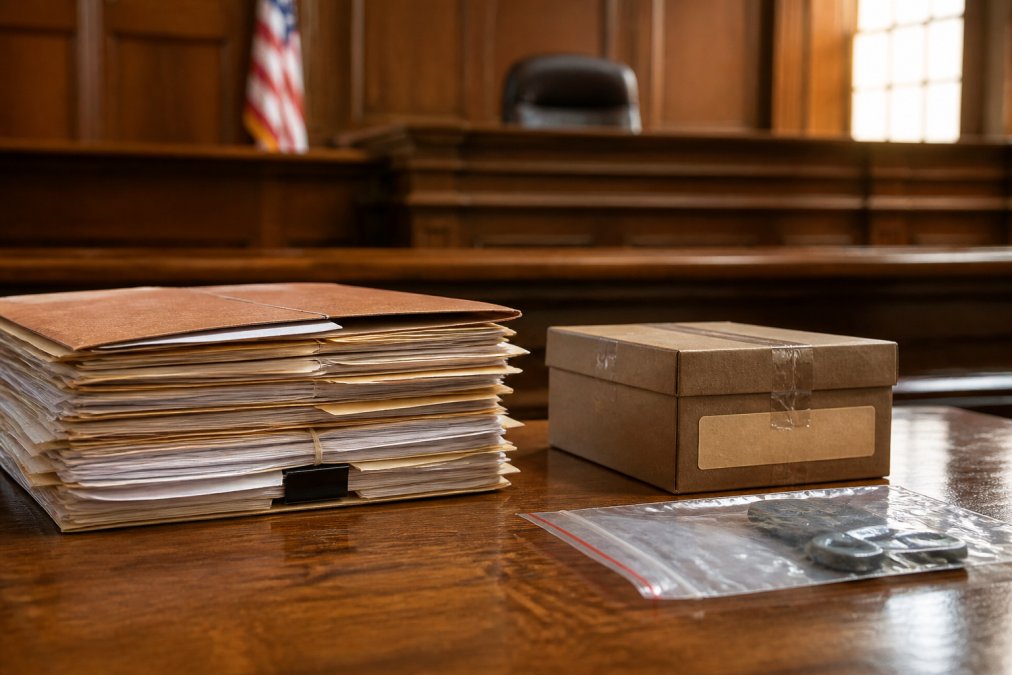
Chain of custody is the evidentiary spine of any PI case. Document who collected each piece of evidence, how it was stored, and how it transferred from field to attorney's office. If you handed off a USB drive to retaining counsel, state exactly when, how, and to whom. Gaps in chain of custody documentation are among the most effective tools opposing counsel uses to challenge admissibility.
The Federal Rules of Evidence on authentication and identification require that evidence be authenticated before admission. Your testimony is often the authentication mechanism.
Authenticate Digital Evidence and Metadata
Digital evidence contains metadata, timestamps, GPS coordinates, device identifiers, that can corroborate or contradict your testimony. Before your deposition, verify that metadata on every digital file is consistent with your surveillance log. If you documented an observation at 2:14 PM, the image timestamp should reflect that.
Be prepared to explain your documentation process: what device you used, whether the clock was synchronized, how files were transferred, and whether any editing software was used. "I don't know" is not acceptable for your own equipment.
Expert Witness Deposition Questions You Should Expect
Expert witness deposition questions follow predictable patterns. Knowing the structure of opposing counsel's approach lets you prepare answers that are accurate, measured, and difficult to impeach.
Foundation Questions About Your Qualifications
Opposing counsel will establish or challenge your qualifications. Expect questions about your licensing status, years of experience, specialized training, professional memberships, and prior deposition or trial testimony. Review your curriculum vitae and be prepared to speak to every line. If you've testified before, know the general outcomes.
A common mistake is overstating qualifications under pressure. If you completed a training course but didn't receive formal certification, say so precisely. Overstatement is far more damaging than a straightforward limitation.
Handling 'Gotcha' Questions About Investigative Techniques
Opposing counsel will ask questions designed to make your standard investigative techniques sound unreliable or improperly executed. Common patterns include challenges to subject identification, visual contact gaps, and verification protocols.
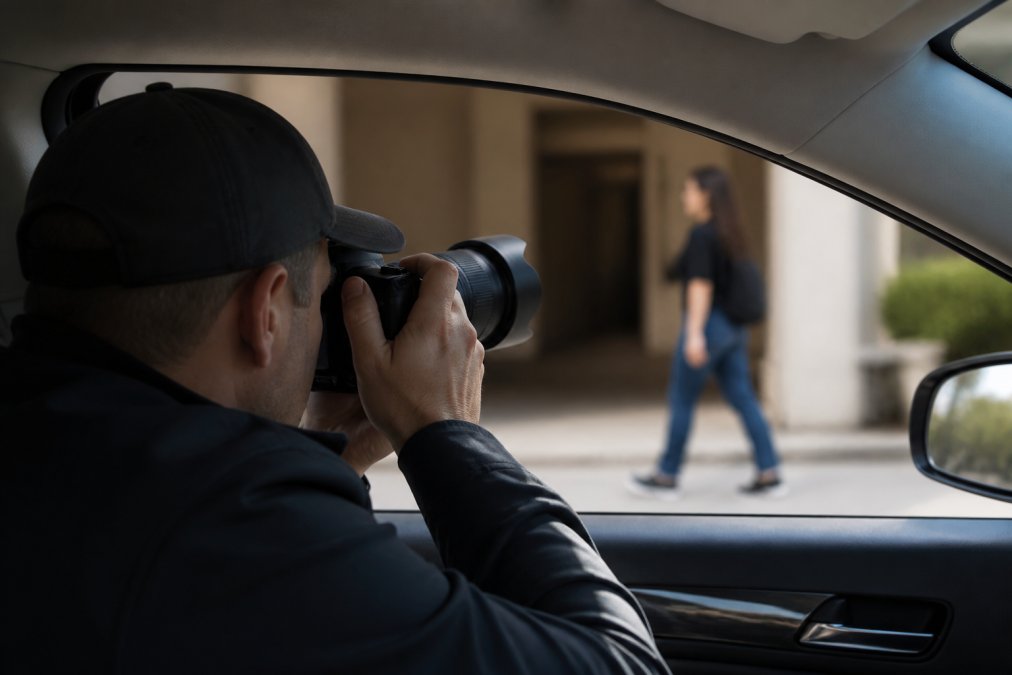
The right response isn't defensive, it's methodical. Explain your identification protocol: what visual identifiers you used, how you confirmed identity, and what corroborating observations you made. If you lost visual contact, explain why and what you did to reacquire it. Opposing counsel often doesn't know the right answer, they're fishing. A clear, methodical explanation of your standard practice often turns a "gotcha" into a credibility moment.
How to Handle Cross-Examination as a Witness
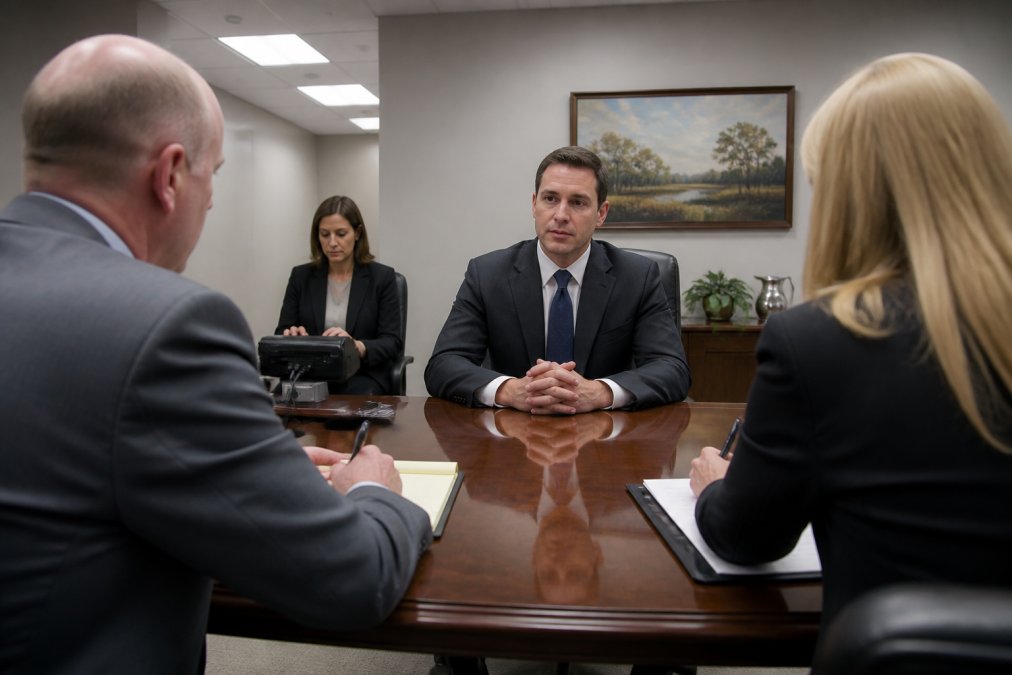
Cross-examination is where deposition preparation either pays off or falls apart.
Staying Composed Under Aggressive Questioning
Opposing counsel may use silence, repetition, or aggressive tone to pressure you into qualifying or retracting a statement. Recognize these as techniques, not evidence that your answer was wrong. The most effective response is a calm, direct answer. Don't elaborate beyond what was asked. Don't fill silence with additional explanation.
Physical demeanor matters as much as verbal testimony. Maintain eye contact, keep your posture neutral, and speak at a measured pace. According to guidance on witness demeanor and credibility from the American Bar Association, jurors weigh non-verbal cues heavily when evaluating witness credibility.
When to Ask for Clarification Before Answering
Asking for clarification is a professional obligation when a question is ambiguous, compound, or misleading. If a question contains multiple parts, address each separately. If a question assumes a fact you don't accept, correct the premise before answering. If a term is used loosely, ask counsel to define it.
Never answer a question you don't fully understand just to appear cooperative.
Testimony Dos and Don'ts for Private Investigators
Do:
- Answer only the question asked.
- Correct misstatements in questions before answering.
- Say "I don't recall" when your recollection is genuinely uncertain.
- Ask for a break if fatigued. Physical and mental fatigue leads to inconsistent answers.
- Review your report before testifying, and acknowledge doing so if asked.
Don't:
- Speculate about what you didn't directly observe.
- Volunteer unrequested information.
- Argue with opposing counsel. Your job is to answer questions, not win arguments.
- Exaggerate certainty. "I believe" and "I observed" carry different evidentiary weight.
- Allow opposing counsel to restate your testimony inaccurately without correcting it.
Perjury carries serious federal and state criminal penalties. The Department of Justice overview of federal perjury statutes outlines the consequences clearly. If you don't know something, say so.
Remote and Virtual Deposition Etiquette for Investigators
Remote depositions have become standard practice. The procedural rules are the same; the execution requires additional preparation.
Before a remote deposition, confirm your technology setup: stable internet connection, quiet private space with neutral background, adequate lighting on your face, and working microphone. Test everything the day before.
Specific etiquette points for virtual depositions:
- Look at the camera, not the screen. Eye contact with the camera reads as direct testimony.
- Mute notifications on all devices. An alert mid-answer breaks your concentration.
- Have your documents organized and accessible. Know where everything is before the session starts.
- Pause briefly before answering. This gives your attorney time to object before you respond.
- Confirm the recording setup. Know whether the session is being video-recorded in addition to transcribed.
The deposition transcript is the same whether you're in a conference room or on a video call. What changes is the additional layer of technical variables you're responsible for managing.
Aligning Your Testimony With Case Theory
Every piece of testimony should serve the case theory, the narrative your retaining attorney is building for trial. This doesn't mean shading the truth. It means understanding how your observations fit into the broader evidentiary picture.
Before your deposition, meet with retaining counsel to understand the case theory clearly. What facts are they trying to establish? What facts does opposing counsel dispute? Where does your investigative work fit in the timeline?
Work product doctrine, as defined under Federal Rule of Civil Procedure 26(b)(3), protects certain materials prepared in anticipation of litigation. Know what is and isn't protected before your deposition, and work with retaining counsel to understand what you can and cannot discuss.
The investigators who testify most effectively aren't just accurate, they're strategic. They understand the discovery process, know their role in the case, and align their presentation with the legal theory they're there to support. That preparation doesn't compromise truthfulness. It channels it.
Preparing for a deposition as a private investigator requires a systematic approach to evidence documentation, chain of custody verification, digital authentication, and testimony strategy. MCP Investigations & Security brings over 20 years of experience in expert witness testimony across depositions and trials, with a team that understands how to present investigative findings in ways that hold up under aggressive cross-examination. If you need an investigator who can handle the full scope of a case, from field documentation through courtroom testimony, contact MCP Investigations & Security to discuss your case.
Frequently Asked Questions
What should a private investigator avoid saying during a deposition?
Avoid speculating about facts you did not directly observe. Never guess at timelines, distances, or identities, if your field notes or surveillance logs do not confirm it, say so clearly. Volunteering information beyond the scope of the question is one of the most common deposition mistakes investigators make. Statements that go beyond documented evidentiary facts open the door to impeachment and can undermine the admissibility of your entire report. Answer only what was asked, then stop.
How does a private investigator prepare for a deposition as an expert witness?
Deposition preparation for a PI expert witness starts with a thorough review of all field notes, surveillance logs, chain of custody records, and digital evidence. Meet with the retaining attorney to align your testimony with the case theory and review likely expert witness deposition questions opposing counsel will raise. Confirm your qualifications are documented and current. Practice answering foundation questions clearly and concisely. Know your report inside out, opposing counsel will test whether your recollection matches every line of your sworn statement.
What are the most common mistakes private investigators make in depositions?
The most frequent mistakes include over-explaining answers, speculating beyond documented observations, failing to review reports before the deposition, and letting aggressive questioning trigger defensive or emotional responses. Investigators also sometimes fail to account for metadata and chain of custody gaps in digital evidence, which opposing counsel will exploit during cross-examination. Arriving without a complete deposition preparation checklist reviewed with your attorney is the single fastest way to give opposing counsel material for impeachment.
Can a private investigator's surveillance evidence be challenged in court?
Yes. Opposing counsel will scrutinize the chain of custody, the methods used to collect surveillance footage, and the authenticity of digital files including metadata. Evidence collected without proper documentation of when, where, and how it was obtained can be ruled inadmissible. Working with an experienced investigative firm that follows strict evidence-handling protocols from the moment of collection significantly reduces the risk of admissibility challenges during the discovery process or at trial.
This article was written using GrandRanker