 how-to
How to Hire a Private Investigator for Evidence
Table of Contents
- When to Hire a Private Investigator for Evidence
- Types of Investigations and Evidence Collection
- How to Vet and Select a Licensed Investigator
- Cost of Hiring a Private Investigator
- How to Document Crime Scene Evidence
- Private Investigator Evidence Admissibility in Court
- Steps to Hire and Work With Your Investigator
- Post-Investigation Support and Expert Witness Services
- Frequently Asked Questions
Last Updated: August 31, 2026
When to Hire a Private Investigator for Evidence
You need a private investigator when gathering evidence yourself has reached its limits. Whether you're building a criminal defense, preparing for civil litigation, or uncovering facts in a personal matter, the right investigator turns incomplete information into court-ready documentation.
Hire early when you face a tight timeline. Courts don't wait for you to figure things out. If your attorney needs witness statements, scene documentation, or background verification within 60 days, attempting this alone often results in incomplete or inadmissible material (aafs.org). A licensed investigator compresses that timeline through established networks and field investigation protocols.
You also need an investigator when evidence requires chain of custody documentation. Anything you gather yourself carries evidentiary risk, improper handling, lack of witness verification, or missing documentation can render it inadmissible. Professional investigators know how to document evidence so it survives legal scrutiny.
Types of Investigations and Evidence Collection
Criminal Defense and Witness Documentation
Criminal defense investigations focus on creating reasonable doubt and establishing alibi. Your investigator locates and interviews witnesses, documents their statements, and preserves their credibility for trial. Witness interviews require skill, a poor interview yields useless information or creates contradictions that hurt your case. Licensed investigators know how to approach witnesses without leading them and document responses accurately.
Scene investigation involves photography, measurements, and detailed observation. Your investigator documents the layout, lighting conditions, sight lines, and details that support your defense narrative. MCP Investigations & Security specializes in criminal defense investigations, providing the witness interviews and scene documentation that strengthen defense strategy.
Civil Litigation and Asset Discovery
Civil cases require different evidence. Wrongful death investigations demand thorough witness interviews, accident scene analysis, and expert consultation. Divorce and family law cases often need asset discovery, locating hidden accounts, tracing income, and documenting lifestyle inconsistencies.
Asset searches require specialized knowledge. An investigator knows where to find certified records, how to interpret financial documentation, and how to present findings courts accept. Liability investigations require scene documentation and witness statements that establish responsibility.
Background Checks and Due Diligence
Employment background investigations protect your hiring decisions. Investigators conduct nationwide criminal background checks, verify employment history, and flag inconsistencies in candidate information. Tenant screening, vendor vetting, and partnership evaluation also benefit from professional investigation.
How to Vet and Select a Licensed Investigator
Verify State Licensing and Credentials
Start by confirming the investigator holds a current state license. Ask for the license number and verify it directly with your state's regulatory body. Licensed investigators have completed background checks, training requirements, and ongoing compliance obligations.

Ask about additional credentials. Membership in professional organizations like the National Defenders Investigator Association signals commitment to ethical standards and continuing education. Check for any disciplinary history through your state's public records.
Assess Experience with Your Case Type
An investigator experienced in criminal defense may lack expertise in asset discovery. Ask specifically about cases similar to yours and request references from attorneys who have used this investigator. Request details about their process for your specific case type, how they approach witness interviews, what documentation they provide, and how they ensure chain of custody.
Experience with nationwide investigations matters if your case spans multiple states. MCP Investigations & Security maintains nationwide resources for cases requiring multi-state evidence collection.
Red Flags of Unethical Investigators
Avoid investigators who promise specific outcomes. Professional investigators know that some leads go nowhere and some witnesses can't be found. Watch for investigators who cut corners on documentation, chain of custody isn't optional.
Beware of investigators who operate outside legal boundaries. Trespassing, wiretapping, hacking, or impersonation are crimes. Investigators who won't sign a confidentiality agreement are problematic. Extremely low pricing is suspicious, investigation requires time, expertise, and resources.
Cost of Hiring a Private Investigator
Hourly Rates and Retainer Fees
Investigation pricing typically operates on hourly rates or retainer arrangements. Hourly rates reflect the investigator's experience, location, and case complexity. Retainers establish a prepaid pool of hours, ensuring the investigator commits time to your case. Some investigators charge hourly for field work but flat fees for specific services like background checks.
Retainer fees often provide better value than pure hourly billing. They guarantee the investigator won't deprioritize your case and help you budget predictably.
What Affects Investigation Pricing
Case complexity drives cost. A straightforward background check costs less than a multi-state wrongful death investigation. Timeline urgency increases cost, as investigators prioritize rush cases by dedicating resources that could serve other clients. Specialized requirements like digital forensics or certified record retrieval from multiple states add cost beyond standard investigation hours.
For accurate pricing on your specific case, MCP Investigations & Security provides detailed quotes after understanding your needs. Contact the team directly for a consultation and cost estimate tailored to your situation.
How to Document Crime Scene Evidence
Chain of Custody and Discreet Documentation
Chain of custody is the documented record of who handled evidence, when, and under what conditions. Courts require this documentation to verify evidence hasn't been tampered with or contaminated. A broken chain of custody renders evidence inadmissible, no matter how relevant it would otherwise be (nij.gov).
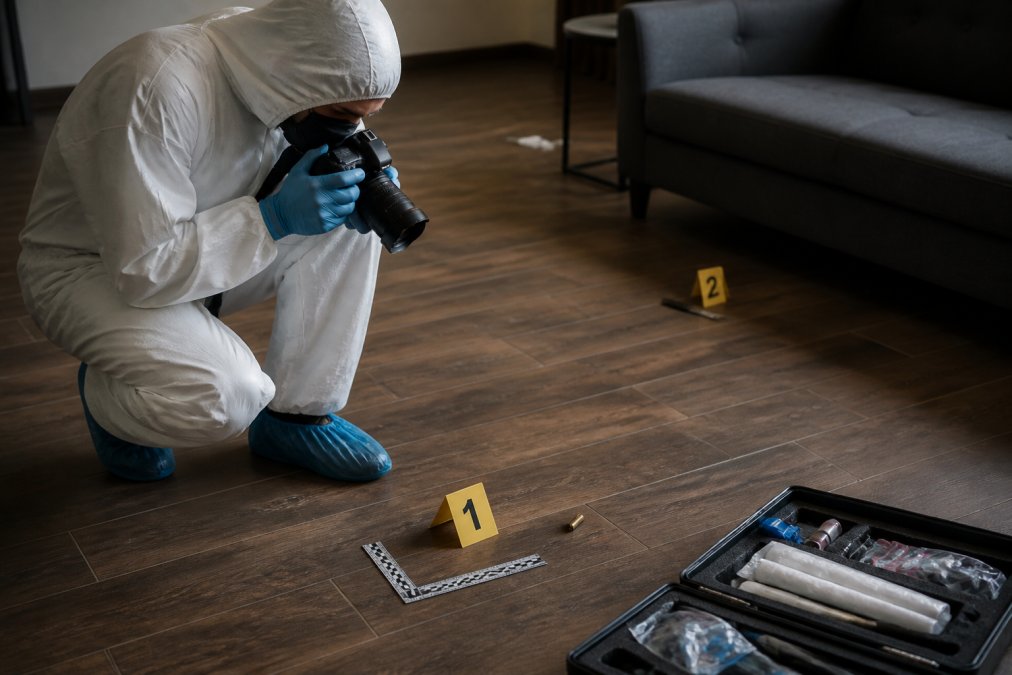
Professional investigators understand chain of custody requirements. They photograph evidence in place, document measurements and positioning, collect samples using proper protocols, and maintain detailed logs of handling. Discreet documentation means gathering evidence without compromising the investigation or violating privacy laws.
Witness Interviews and Field Investigation
Witness interviews require more than asking questions. A skilled investigator establishes rapport, asks open-ended questions that don't suggest answers, and documents responses accurately. Field investigation involves systematic observation, visiting the scene, observing conditions at the relevant time of day, and identifying details the prosecution might have overlooked.
Documentation of witness interviews includes written statements, recorded statements when permitted, and detailed notes. Locating witnesses often requires skip tracing using databases, public records, and field work.
Private Investigator Evidence Admissibility in Court
Legal Compliance and Court-Admissible Standards
Evidence admissibility depends on how it was gathered and documented. Illegally obtained evidence is excluded from trial regardless of relevance (supremecourt.gov). This is why working with a licensed investigator matters, they know the legal boundaries.
Court-admissible evidence meets specific standards. Physical evidence must have a documented chain of custody. Witness statements must be properly documented and attributed. Digital evidence must show it hasn't been altered. Different types of evidence face different admissibility standards, hearsay is generally excluded unless specific exceptions apply.
Expert Testimony and Investigative Reports
Investigative reports document findings in a format attorneys can use for case strategy and settlement negotiations. A well-prepared report includes methodology, sources consulted, limitations, and findings that distinguish between verified facts and inferences.
Expert witness testimony requires the investigator to explain their findings to a judge or jury. They must explain why their investigation methods are reliable, how they reached their conclusions, and what their findings mean for the case. Not all investigators can serve as expert witnesses, courts evaluate whether the investigator has sufficient expertise and whether their methodology is scientifically sound.
Steps to Hire and Work With Your Investigator
Step 1: Define Your Case Needs and Timeline
Before contacting investigators, clarify what you need. Are you building a criminal defense? Gathering evidence for civil litigation? Different case types require different expertise. Define your timeline and identify what evidence exists and what gaps need filling.
Step 2: Request a Confidentiality Agreement
Before discussing your case details, require the investigator to sign a confidentiality agreement. This protects your case information and ensures the investigator won't discuss your matter with others.
Step 3: Establish Communication and Deliverables
Specify how you'll communicate with the investigator and what deliverables you expect. Define what format evidence should be in and when you need it. Establish a budget and billing process to prevent disputes.
Step 4: Review Evidence and Prepare for Litigation Support
As evidence comes in, review it with your attorney. Does it support your case strategy? Assess admissibility with your attorney and discuss any concerns with the investigator. Prepare the investigator for testimony if needed.
Post-Investigation Support and Expert Witness Services
After the investigation concludes, your relationship with the investigator often continues. They may need to prepare for deposition, testify at trial, or respond to discovery requests. Expert witness services involve preparing detailed expert reports explaining methodology, findings, and conclusions. The investigator reviews opposing expert reports and participates in depositions where opposing counsel questions their investigation.
MCP Investigations & Security provides comprehensive post-investigation support. Our team has experience preparing expert reports, participating in depositions, and testifying at trial. We understand that investigation continues through litigation support until your case resolves.
When you're ready to move forward with hiring a private investigator for evidence, MCP Investigations & Security brings over 20 years of experience to every case. Our team understands the technical requirements of court-admissible evidence, maintains nationwide resources for multi-state investigations, and provides expert witness testimony that holds up under cross-examination. We deliver accurate information quickly and confidentially, with the professional support your case demands. Contact us for a confidential consultation about your investigation needs.
Frequently Asked Questions
What does a private investigator usually cost for evidence gathering?
Costs depend on investigation scope, complexity, timeline, and geographic area. Investigators typically charge hourly rates or retainer fees. Factors affecting pricing include whether the case requires field investigation, witness interviews, skip tracing, or asset searches. Contact a licensed investigator for a detailed quote based on your specific evidence needs and case requirements.
How do I ensure evidence collected by a PI is admissible in court?
Work with an investigator experienced in court-admissible evidence standards and legal compliance. Verify they maintain proper chain of custody, document findings thoroughly, and understand federal and state rules governing evidence collection. Ask about their investigative methodology and whether they can provide expert testimony. Many investigators who specialize in litigation support understand exactly what prosecutors and defense attorneys need for trial.
Can hiring a private investigator backfire in legal proceedings?
Yes, if evidence is collected illegally or unethically. Avoid investigators who promise results without transparency, use undercover operations improperly, or ignore data privacy laws. Red flags include unwillingness to discuss their methods, lack of licensing verification, or pressure to cut corners. Hiring a state-regulated, licensed investigator with professional ethics and experience in litigation support protects you legally and ensures admissibility.
What should I look for when vetting a private investigator?
Verify state licensing, check their experience with your case type (criminal defense, civil litigation, background checks), and ask about their professional affiliations and credentials. Request references from attorneys or previous clients. Discuss their investigative methodology, chain of custody procedures, and ability to provide expert testimony. Ensure they understand legal compliance requirements and can deliver verifiable facts within your timeline and budget.
This article was written using GrandRanker