 ultimate-guide
Witness Interviews for Criminal Defense: A Complete Guide
Table of Contents
- Why Witness Interviews Matter in Criminal Defense
- Ethical Guidelines for Defense Witness Interviews
- Preparation Strategies Before Conducting Witness Interviews
- Witness Interview Scripts for Defense Investigators
- Best Practices for Documenting Witness Statements
- Face-to-Face vs. Remote Witness Interviews
- Handling Prosecution Witnesses and Recanting Witnesses
- The Role of Investigators in Witness Interviews
Last Updated: August 28, 2026
Why Witness Interviews Matter in Criminal Defense
Witness interviews form the backbone of effective case preparation and trial strategy. A single witness statement can shift the entire trajectory of a case. Yet many defense teams approach interviews reactively, waiting until discovery forces their hand rather than proactively building their own investigative foundation. This delay costs time, allows memories to fade, and surrenders initiative to prosecution.
Early, systematic witness interviews uncover exculpatory evidence that prosecution discovery overlooks. The core value lies in three areas: gathering first-hand accounts supporting your defense theory, identifying weaknesses in prosecution witness credibility, and preserving testimony before memories degrade or witnesses become unavailable.
Ethical Guidelines for Defense Witness Interviews
Conducting witness interviews requires navigating complex ethical rules. You cannot engage in deception or misrepresentation when identifying yourself or your role. If you're a defense investigator, you must clearly state that fact. You cannot pose as law enforcement, a journalist, or anyone else.
Witness intimidation is an absolute prohibition. Any conduct that coerces, threatens, or improperly influences a witness violates ethical rules and criminal law (justice.gov).
Attorney-client privilege protects communications between you and your client, but NOT investigative interviews with third-party witnesses (americanbar.org). Those interviews are discoverable by prosecution in most jurisdictions. Document them accordingly.
When interviewing prosecution witnesses, additional constraints apply. Many jurisdictions restrict direct contact with represented witnesses, those who already have their own attorney (americanbar.org). If the witness is represented, you typically must go through their counsel. Violating this rule can result in sanctions, suppression of evidence, or ethical complaints.
Preparation Strategies Before Conducting Witness Interviews
Effective witness interviews require deliberate preparation that establishes your objectives, identifies knowledge gaps, and develops a questioning strategy tailored to each witness's role.
Start by defining what you need from this specific witness. Are you establishing an alibi? Challenging a key prosecution assertion? Exploring inconsistencies? Clarifying timeline details? Each objective shapes your approach.
Review all existing discovery materials mentioning this witness before the interview. Read prior statements, police reports, deposition transcripts, and identify contradictions and gaps. This preparation allows informed follow-up questions rather than starting from zero knowledge.
Develop a case theory framework that contextualizes the witness's testimony. How does their account fit into your overall defense narrative? Understanding this framework helps you ask questions that build coherence.
Building Your Interview Checklist
A systematic checklist ensures you cover essential ground and document everything needed for trial preparation and discovery compliance.
| Preparation Element | Purpose | Timing |
|---|---|---|
| Witness identification and background | Establish credibility and bias factors | Before interview |
| Relationship to case | Understand motivation and perspective | Opening phase |
| Perception and sensory ability | Assess reliability of observations | Early in interview |
| Timeline and sequence | Establish clear chronology | Core questioning |
| Specific details and descriptions | Build vivid, memorable testimony | Throughout |
| Contradictions with other accounts | Identify weaknesses in prosecution case | Follow-up phase |
| Willingness to testify | Gauge availability for trial | Closing phase |
Verify contact information, availability, and scheduling constraints. Research the witness's background before the interview, criminal history, prior litigation involvement, employment stability, to assess credibility. Prepare your physical environment: choose neutral territory when possible, a quiet location free from distractions.
Witness Interview Scripts for Defense Investigators
Structure matters. A well-designed interview balances flexibility with consistency, allowing adaptation while ensuring essential ground is covered systematically.
Opening and Establishing Rapport
The opening moments set the tone for the entire interview. Begin with clear identification: "I'm [Name], an investigator working with the defense team on the [Case Name] matter. I want to understand your account of what happened."
Explain the purpose without pressure: "I'm here to gather information, not to convince you to say anything particular. I'm interested in what you actually saw, heard, and know about [relevant events]. If you don't remember something, that's fine, just say so."
Address recording or note-taking directly: "I'm going to take notes [or record this conversation] so I can accurately capture what you tell me. Is that okay with you?" This transparency prevents later claims of misrepresentation.
Establish baseline information: name, contact details, relationship to the case, and any prior contact with law enforcement.
Core Question Framework
After establishing rapport, shift to substantive questioning using a framework that moves from general to specific, open-ended to targeted.
Begin with the witness's general knowledge: "Tell me what you know about what happened on [date]." This open-ended approach allows their narrative without your questions shaping their account. Listen more than you talk.
Move to specific sensory details: "What did you see?" "What did you hear?" "Were you in a position to observe [specific detail]?" These questions establish the foundation for their testimony.
Explore timeline and sequence: "Walk me through the sequence of events. What happened first?" Clear timeline testimony is powerful because it's difficult to fabricate or misremember consistently.
Address contradictions carefully: "I read in the police report that [statement]. Can you help me understand how that fits with what you just told me?" This approach invites explanation rather than accusation.
Close with verification: "Is there anything else you think is important for me to understand about what happened?" This final check prevents later claims of misrepresentation.
Best Practices for Documenting Witness Statements
Documentation quality directly affects admissibility and credibility at trial. A poorly documented statement creates opportunities for prosecution to challenge reliability, while thorough documentation strengthens your position.
Recording and Note-Taking Methods
Combine multiple documentation methods. Detailed contemporaneous notes provide a record of exactly what the witness said, while recordings preserve tone, hesitation, and non-verbal communication.
When recording, obtain explicit consent. Transparent recording builds trust and eliminates later disputes about what was said.
Use high-quality recording equipment. Smartphone recordings often capture inadequate audio. A dedicated digital recorder with external microphone produces clearer, more reliable audio that can be transcribed accurately.
Supplement recordings with written notes: witness name, date, time, location, persons present, and any statements about their reliability ("I wasn't wearing my glasses" or "I was about 50 feet away").
Creating Admissible Records
Create a cover sheet for each recorded statement that includes: witness name and contact information, date and time of interview, location, persons present, recording device used, and your signature. This foundation information establishes authenticity.
Transcribe recorded statements for key witnesses. A transcript allows opposing counsel to review the statement without requiring your presence and creates a permanent written record.
For written statements, have the witness review and sign the document. A signed statement carries more weight than your notes. Include a statement of accuracy: "I have reviewed this statement and it accurately reflects my account of the events described."
Preserve the original recording in its unaltered state. Any editing creates admissibility questions. Store originals securely and create backups.
Face-to-Face vs. Remote Witness Interviews
The interview format affects rapport-building, observation quality, and witness willingness to participate.
Face-to-face interviews allow you to observe non-verbal communication: facial expressions, body language, hesitation, and emotional responses. You can gauge whether the witness is comfortable, defensive, or uncertain. In-person interviews also build rapport more effectively, increasing willingness to share sensitive information.
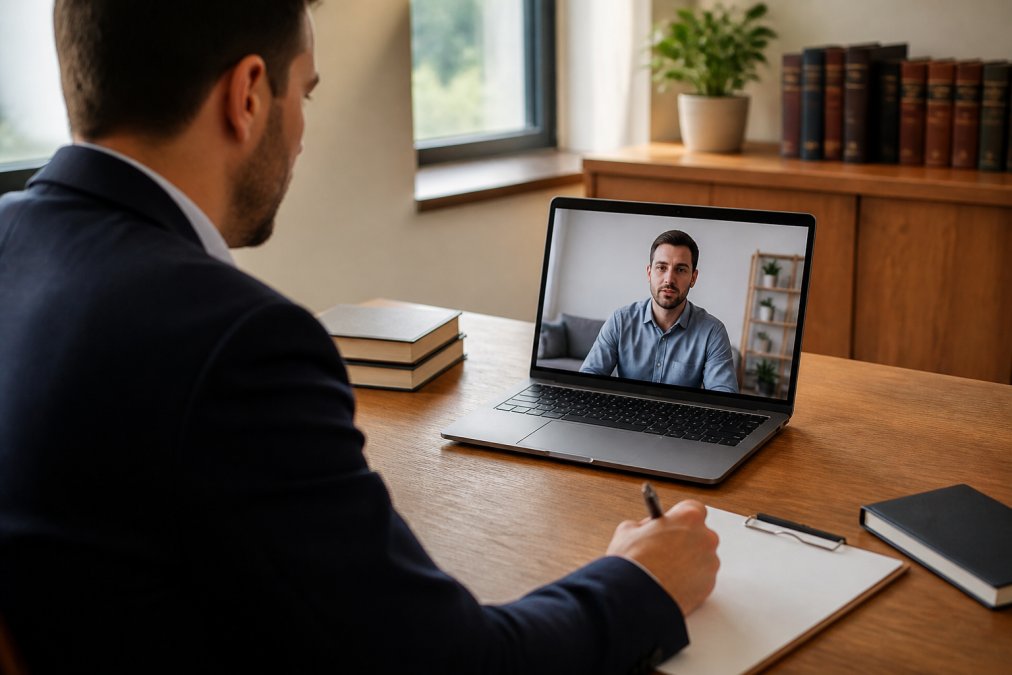
Remote interviews offer practical advantages when witnesses are geographically distant or have scheduling constraints. A witness in another state doesn't need to travel, making them more likely to participate. Video conferencing preserves some non-verbal observation while eliminating travel time and cost.
Consider the witness's comfort level. Some witnesses feel more candid speaking remotely, particularly about sensitive topics. Others provide richer detail in face-to-face conversations. Detailed timeline testimony, descriptions of events, or observations about the defendant's state of mind often benefit from face-to-face format. Preliminary background information or fact verification can often be handled effectively by phone or video.
Handling Prosecution Witnesses and Recanting Witnesses
Prosecution witnesses present unique strategic and ethical challenges. Your approach must balance investigation with respect for their autonomy and legal constraints on witness contact.
Interviewing Hostile or Uncooperative Witnesses
Some prosecution witnesses are cooperative; others are hostile, defensive, or reluctant. Your approach must adapt to their stance.
Begin by clarifying your role: "I'm an investigator working with the defense team. I'd like to understand your account of what happened. This conversation is voluntary, you don't have to speak with me."
If they refuse, respect that refusal. Pressing a hostile witness creates ethical problems and damages credibility. However, you can leave your contact information and explain that if they change their mind, you're available.
For willing but guarded witnesses, establish genuine interest: "I'm not here to convince you of anything. I want to understand what you actually saw and heard." This approach often opens doors that confrontational questioning would close.
Listen for inconsistencies without immediately challenging them. Rather than accusing them of lying, ask clarifying questions: "Help me understand how that fits with what you told police about [detail]." Often, the witness will acknowledge the discrepancy and explain it.
Document their account carefully, even if it supports prosecution. You need to understand what the other side's witnesses will say and may discover weaknesses in their credibility or reliability.
When Witness Testimony Changes
A witness recanting or significantly altering their prior statement creates both opportunity and complication. If a witness tells you their prior statement was inaccurate, explore why. Did they misunderstand the original question? Did police pressure them? Have they had time to reflect and clarify their memory?
Document the recantation thoroughly. Have the witness explain specifically what was incorrect about their prior statement and what the accurate version is. Record this explanation if possible.
Be cautious about witness changes that seem too convenient. If a prosecution witness suddenly recants in a way that perfectly supports your defense theory, prosecution will argue you improperly influenced them. The more detailed and specific the witness's explanation for the change, the more credible the recantation appears.
Consider whether the witness is willing to testify to their recanted account at trial. A witness who tells you privately that their prior statement was wrong but refuses to testify publicly has limited trial value.
The Role of Investigators in Witness Interviews
Professional investigators bring systematic approach and investigative experience that strengthens witness interview quality. Investigators trained in interview techniques ask better questions, understand how to move from open-ended inquiry to targeted follow-up, and recognize evasion or uncertainty.
Investigators also bring objectivity. An attorney conducting their own interviews risks confirmation bias, asking questions that elicit answers supporting their case theory rather than genuinely exploring what the witness knows. A professional investigator approaches each witness with systematic curiosity.
Experienced investigators understand discovery rules and admissibility requirements. They know how to document statements in ways that withstand prosecution scrutiny and preserve evidence properly.
MCP Investigations & Security brings over 20 years of experience conducting witness interviews for criminal defense cases. Our investigators understand the legal constraints on witness contact, the ethical requirements for documentation, and the investigative techniques that produce reliable, admissible statements.
Investigators can also locate witnesses who have become difficult to find. A witness who moved, changed phone numbers, or is reluctant to be contacted often requires investigative skill to locate.
Witness interviews for criminal defense attorneys are foundational to trial preparation. The quality of your investigation determines the strength of your defense narrative and your ability to challenge prosecution evidence. When you need systematic, professional witness interviews that produce admissible documentation and genuine investigative insight, MCP Investigations & Security delivers the expertise and resources that strengthen criminal defense outcomes.
Frequently Asked Questions
Can a defense attorney interview a witness without a prosecutor present?
Yes. Defense attorneys have the right to conduct witness interviews independently as part of their discovery investigation. However, ethical guidelines require that you identify yourself as representing the defendant, avoid misrepresenting your role, and respect the witness's right to refuse or end the interview. If the witness is represented by counsel, you must notify their attorney before proceeding. Always follow your jurisdiction's rules of professional conduct regarding witness interviews.
What are the ethical boundaries for defense witness interviews?
Defense attorneys must avoid fraud, misrepresentation, or intimidation. You cannot offer anything of value in exchange for testimony, cannot communicate with represented parties without counsel present, and must comply with discovery rules. Maintain accurate records of all interviews, preserve exculpatory evidence, and ensure witnesses understand they are speaking to the defense. Document consent before recording. Violations can result in disciplinary action and evidence exclusion.
How should defense investigators document witness statements?
Use contemporaneous written notes, audio recordings (with consent), or video statements. Document the date, time, location, witness identification, and interviewer information. Record the witness's exact words when possible, noting tone and demeanor. Maintain a clear chain of custody for all recordings. Create signed written statements when feasible. Store all documentation securely and provide copies to the defense attorney. Proper documentation ensures admissibility and protects against credibility challenges during cross-examination.
When is the optimal time to conduct witness interviews in a criminal case?
Conduct interviews as soon as possible after arrest or charges are filed, while memories are fresh and before prosecution witness preparation occurs. Early interviews may uncover exculpatory evidence that strengthens pretrial motions. However, avoid interviewing witnesses during active investigation by law enforcement without understanding what they've already disclosed. Coordinate timing with your attorney's discovery schedule and any court-imposed deadlines for witness disclosure.
What questions should defense attorneys ask during witness interviews?
Begin with open-ended questions about what the witness observed, heard, and experienced. Ask about the witness's location, visibility, lighting conditions, and any obstructions. Explore potential biases, prior relationships with the victim or accused, and any incentives for testifying. Ask about inconsistencies with prior statements. Determine the witness's credibility factors: sobriety, attention, memory reliability. Close by asking if the witness has anything else to add or any concerns about the interview.
What are the risks of interviewing a prosecution witness?
Prosecution witnesses may report your interview to prosecutors, potentially triggering Brady obligations or witness intimidation allegations if mishandled. Avoid any appearance of coercion or threat. Some witnesses may be hostile or uncooperative. Document everything carefully, as prosecutors may challenge your account of the interview. Always identify yourself clearly, explain the witness's right to refuse, and maintain professional boundaries. Consider having an investigator present rather than the attorney in sensitive situations.
How do I ensure witness statements are admissible in court?
Statements must comply with hearsay rules and discovery requirements. Recorded statements require consent in single-party consent jurisdictions; verify your state's recording laws. Written statements should be signed by the witness if possible. Avoid leading questions that suggest answers. Document the witness's demeanor, apparent credibility, and any factors affecting reliability. Preserve the original recording or document, not just transcripts. Work with your attorney to ensure compliance with pretrial discovery rules and local court procedures.
This article was written using GrandRanker