 ultimate-guide
Missouri Security & Investigation Services: A Complete Guide
Table of Contents
- What Missouri Security & Investigation Services Include
- Armed vs. Unarmed Security Services
- Hiring a Private Investigator for Criminal Defense
- Private Investigator Licensing Requirements
- Evidence Collection and Discovery Support
- Executive Protection, Event Security, and Specialized Services
- Finding the Right Investigation Agency for Your Needs
- Frequently Asked Questions
Last Updated: September 21, 2026
What Missouri Security & Investigation Services Include
Security investigation services combine investigative expertise and specialized support for criminal defense, personal matters, and corporate needs. Understanding what these services deliver, and what they don't, is essential before committing resources.
Services include licensed private investigators, evidence collection specialists, and expert witnesses. MCP Investigations & Security, Southeast Missouri's first state-licensed detective agency with over 20 years of experience, offers comprehensive discovery and evidence collection through nationwide record retrieval, witness interviews, and expert witness testimony. The depth of service varies dramatically between providers.
Professional security investigation services differ from amateur attempts in documentation, chain of custody, admissibility standards, and multi-state witness capability. The right investigator delivers court-ready documentation, meets timelines, and communicates regularly.
Armed vs. Unarmed Security Services
Missouri requires security guard licenses for unarmed personnel. Armed officers face additional federal and state requirements, including firearm certifications. Your firm should produce current licenses and proof of compliance without hesitation.
Hiring a Private Investigator for Criminal Defense
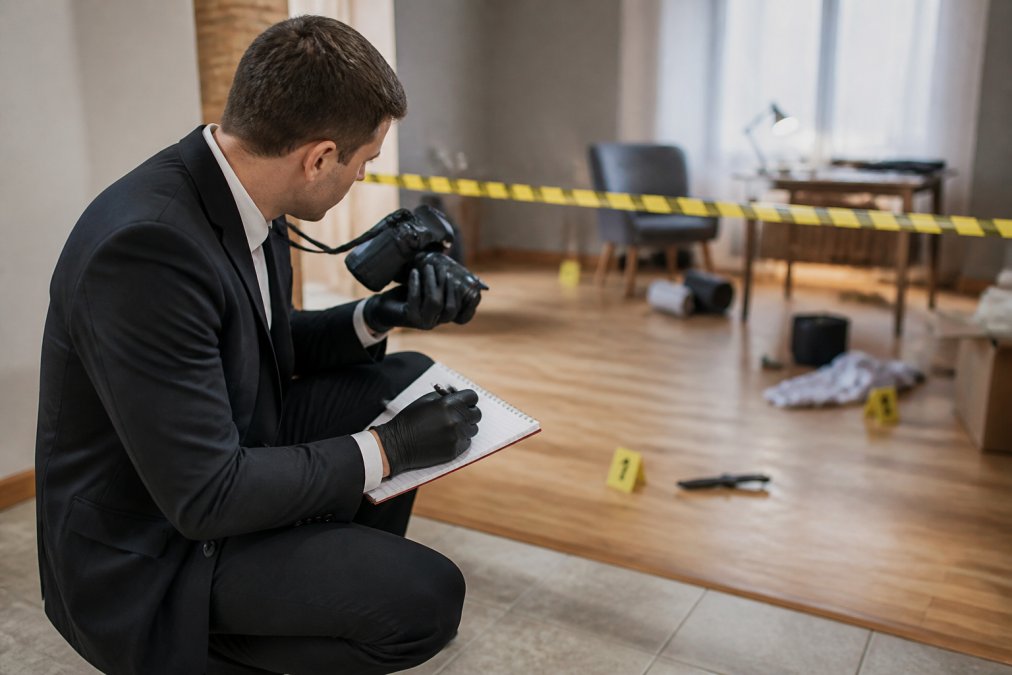
Criminal defense investigators gather evidence supporting your defense strategy, locate witnesses, and document scenes before evidence degrades. They work on your attorney's behalf, not independently.
A competent investigator locates alibi witnesses, documents inconsistencies in the prosecution's narrative, retrieves surveillance footage before it's overwritten, and preserves physical evidence, all meeting evidentiary standards for court acceptance.
If your attorney doesn't have a preferred investigator, ask for references and check their track record: How many cases have they supported? How often does their work survive cross-examination? Can they testify as an expert witness?
Pricing depends on the complexity, geographic scope, and expert testimony needs. Budget realistically: 60 days for comprehensive witness interviews and scene documentation is more realistic than two weeks for complex cases.
Private Investigator Licensing Requirements
All private investigators in Missouri must hold a state license from the Missouri Secretary of State. Unlicensed investigators violate law and produce inadmissible evidence. However, licensing alone doesn't guarantee competence, understanding what the license certifies is critical.
What the License Covers
Missouri's license confirms baseline education, experience, state exam passage, and background check completion. License holders must maintain professional liability insurance and comply with evidence handling and privacy law. Verify status on the Secretary of State's searchable database.
The license does not certify expertise in specific case types. An investigator licensed for background checks may lack criminal defense trial experience. The license is a floor, not a ceiling.
Red Flags: What to Watch For
Inability to produce current license documentation. Walk away if an investigator hesitates or claims their license is "in the mail." Verify the license number on the Missouri Secretary of State website before proceeding.
Missing or outdated insurance. Ask for a current certificate of professional liability insurance naming you as an additional insured. If they can't produce it, walk away.
No verifiable track record in your case type. Ask how many similar cases they've handled in the past three years and request attorney references. Vague answers or refused references signal lack of depth.
Unwillingness to discuss chain of custody or evidence standards. Professional investigators explain documentation, logging, and admissibility. Brushing off these questions signals lack of legal rigor.
Promises of guaranteed results or "special access" to records. Anyone claiming access to sealed records or confidential databases without legal process is lying or breaking the law. Both are disqualifying.
Multi-State Licensing and Nationwide Work
For multi-state cases, ask whether the investigator holds licenses in those states or has relationships with licensed investigators there. Operating without proper licensing compromises your case and creates liability.
Many firms maintain networks of licensed investigators across the country. Confirm documented relationships and clear communication protocols with partners.
Insurance and Bonding
Some investigators carry fidelity bonds protecting clients if funds are mishandled. Ask about bonding if paying retainers or significant upfront fees.
Verification Checklist Before You Hire
- Verify the license on the Missouri Secretary of State website.
- Request a current certificate of professional liability insurance.
- Ask for three attorney references from similar cases in the past two years.
- Confirm understanding of chain of custody and evidence admissibility standards.
- For multi-state work, ask for partner investigator names and licenses.
- Request a written agreement specifying scope, timeline, fees, and overages.
Verify licensing, insurance, and track record upfront. A professional investigator welcomes scrutiny; anyone who resists is showing you who they are.
Evidence Collection and Discovery Support
Evidence collection requires precision, documentation, and understanding of admissibility standards. A photograph without proper chain-of-custody documentation becomes unreliable. Technical details matter enormously.
Professional investigators document evidence using standardized photography, video, and written protocols. They maintain detailed logs of who handled evidence, when, and where. Courts reject evidence with gaps in documentation.
Discovery support means gathering documents, records, and information relevant to your case: certified copies of convictions, medical records, property records, and timelines. Nationwide record retrieval capabilities reduce delays when witnesses or evidence span multiple states. MCP Investigations & Security obtains certified copies of convictions and records across the country.
Witness interviews require skill: establishing rapport, asking open-ended questions, and documenting accurately. Poor technique produces unreliable statements opposing counsel will attack. Experienced investigators extract reliable information and detect evasiveness.
Executive Protection, Event Security, and Specialized Services
These services require specialized training and flexibility. Event security personnel need crowd management and de-escalation skills. Executive protection specialists need threat assessment expertise. Consulting requires industry knowledge and risk translation.
Finding the Right Investigation Agency for Your Needs
Define what you need: criminal defense support, background checks, infidelity investigation, or missing person support. Skill sets differ. Specialized firms deliver better results.
Ask about experience with your case type: How many similar cases have they supported? How many resulted in admissible evidence? What percentage involves expert witness testimony?
Check references from attorneys or clients. Ask how the investigator handled tight timelines, obstacles, and communication. References reveal patterns interviews won't surface.
Verify licensing, insurance, and professional memberships. These signal commitment to professional standards and protect you if something goes wrong.
Understanding Investigation Costs and Pricing Models
Pricing is often opaque. Understanding how investigators charge and what drives costs helps you budget realistically and compare providers fairly.
Hourly Rates. Investigators typically charge $50-$150/hour depending on experience, location, and complexity. Hourly rates work well when scope is uncertain but costs escalate if investigations take longer than anticipated.
Project-Based Fees. Flat fees for defined scope provide cost certainty. Risk: if investigation becomes more complex, you may face change orders or disputes.
Retainer Model. Monthly or upfront fees cover set hours or deliverables. Unused hours may roll over or be forfeited. Retainers work for long-term cases or flexible access needs.
Hybrid Approaches. Many firms combine models.
What Drives Investigation Costs
Geographic Scope. Local investigations cost less than multi-state cases. Travel, mileage, and lodging add up quickly. Budget explicitly for multi-state work.
Realistic Budget Examples
Criminal Defense Case. Locating and interviewing 4-6 key witnesses, documenting inconsistencies, and preparing for trial: $4,000-$8,000 depending on geographic spread and witness accessibility.
Questions to Ask About Pricing
- What is your hourly rate, and what does it include (travel time, report writing, phone calls)?
- If you quote a project fee, what happens if the scope changes? How are change orders handled?
- Are travel expenses, mileage, and lodging billed separately? At what rate?
- Are record retrieval fees and government document costs included in your rate or billed separately?
- If expert witness testimony is needed, what is your hourly rate for deposition and trial preparation?
- What is your payment schedule? Do you require a retainer upfront? What happens to unused retainer funds?
- If the investigation takes longer than estimated, how will you communicate that to me, and how are overages handled?
- Do you offer a written estimate or proposal before starting work?
Red Flags in Pricing
Refusal to discuss costs upfront. Any investigator who avoids pricing questions or says "we'll bill you when we're done" is creating conditions for disputes. Professional firms provide estimates and written agreements.
Comparing Providers
When you're comparing investigators, don't choose based on price alone. A $50/hour investigator who produces inadmissible evidence costs more than a $125/hour investigator whose work survives cross-examination. Compare based on:
- Experience with your specific case type
- Track record of admissible evidence and successful outcomes
- References from attorneys or clients
- Clarity and transparency about pricing
- Responsiveness and communication during the hiring process
- Professional licensing, insurance, and certifications
Getting a Clear Estimate
Before you commit, ask for a written estimate that includes:
- Scope of work (what will be investigated, what won't)
- Estimated hours or project fee
- Timeline (when will work start, when do you expect completion)
- Itemized costs (travel, records, expert fees, if applicable)
- Payment schedule and retainer amount
- What happens if the scope changes or work takes longer
- Cancellation or refund policy
Frequently Asked Questions
What licensing requirements must a private investigator meet in Missouri?
Missouri requires all private investigators to be licensed by the state. Applicants must be at least 21 years old, have a high school diploma or equivalent, and pass a background check. Most investigators complete formal training and work under supervision before obtaining full licensure. Verify any investigator's credentials through the Missouri Secretary of State to ensure they operate legally and maintain current compliance with state regulations.
How can investigation services assist with criminal defense cases?
Private investigators support criminal defense by locating and interviewing witnesses, documenting crime scenes, retrieving certified records, and uncovering evidence that may support your case. They conduct independent fact-finding separate from police investigations and can identify gaps in prosecution evidence. Experienced investigators can also prepare materials for depositions and provide expert witness testimony, helping your attorney build a stronger defense strategy before trial.
What should I look for when hiring a detective agency for litigation support?
Look for agencies with state licensing, verified experience in your case type (criminal defense, wrongful death, infidelity, background checks), and a track record of delivering evidence admissible in court. Ask about turnaround times, nationwide capabilities if needed, and whether they offer expert witness testimony. Check references, confirm they understand local court requirements, and clarify communication protocols so you know they'll follow through before your trial date.
What is the difference between private security and private investigation services?
Private security focuses on protection and prevention: uniformed guards provide physical presence, conduct patrols, monitor access, and deter threats at specific locations. Private investigation focuses on gathering information and evidence: investigators interview witnesses, document scenes, retrieve records, and conduct surveillance to answer specific questions for legal or personal matters. Many agencies offer both services, but they require different skills and licensing.