 ultimate-guide
Hire a Private Investigator for Trial: Essential Guide
Table of Contents
- What a Private Investigator Can Do for Your Trial
- Private Investigator Discovery and Evidence Collection
- How to Prepare Witness Interviews for Defense
- Private Investigator Expert Witness Testimony
- Understanding Investigator Licensing and Credentials
- How to Hire a Qualified Investigator for Trial
- Cost Factors and Fee Structures
- Pre-Trial vs. Trial Phase Investigation Strategies
- Frequently Asked Questions
Last Updated: September 2, 2026
What a Private Investigator Can Do for Your Trial
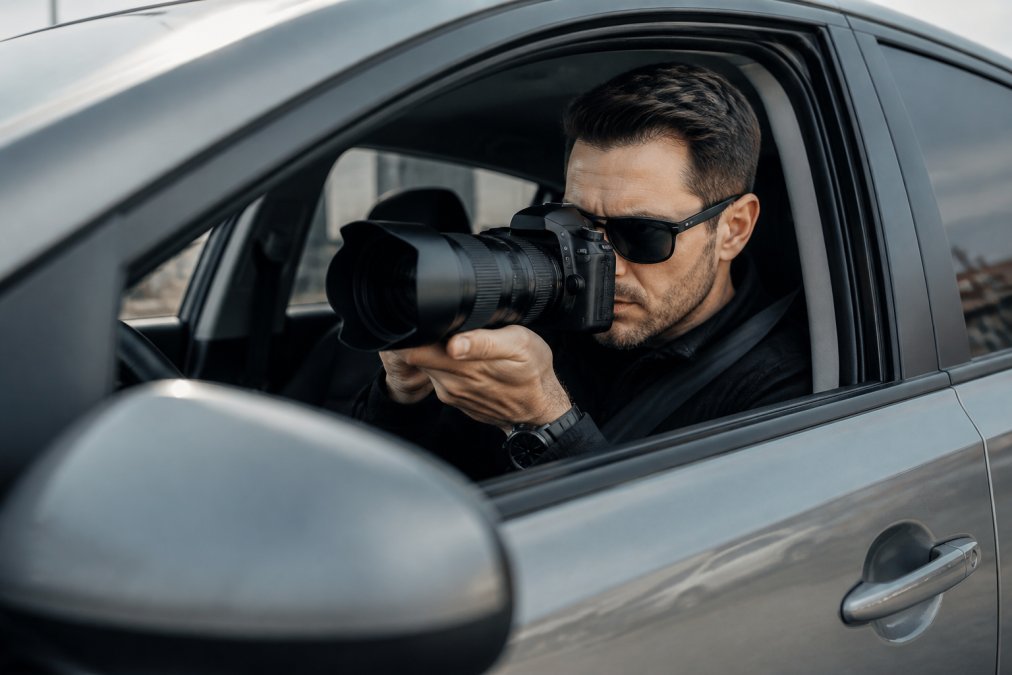
When your case goes to trial, the difference between winning and losing often hinges on evidence that hasn't been discovered yet. A qualified private investigator uncovers critical information, witness statements, documentation, surveillance footage, and background details that strengthen your defense or support your claim. At MCP Investigations & Security, we understand that hiring a private investigator for trial means investing in litigation support that holds up under cross-examination and meets the evidentiary standards courts demand.
A skilled investigator knows what evidence matters in court and what doesn't. They understand chain of custody requirements, how to document findings so they withstand judicial scrutiny, and when digital evidence can be used versus when it will be excluded. This knowledge separates investigators who deliver results from those who waste your time and money.
Private Investigator Discovery and Evidence Collection
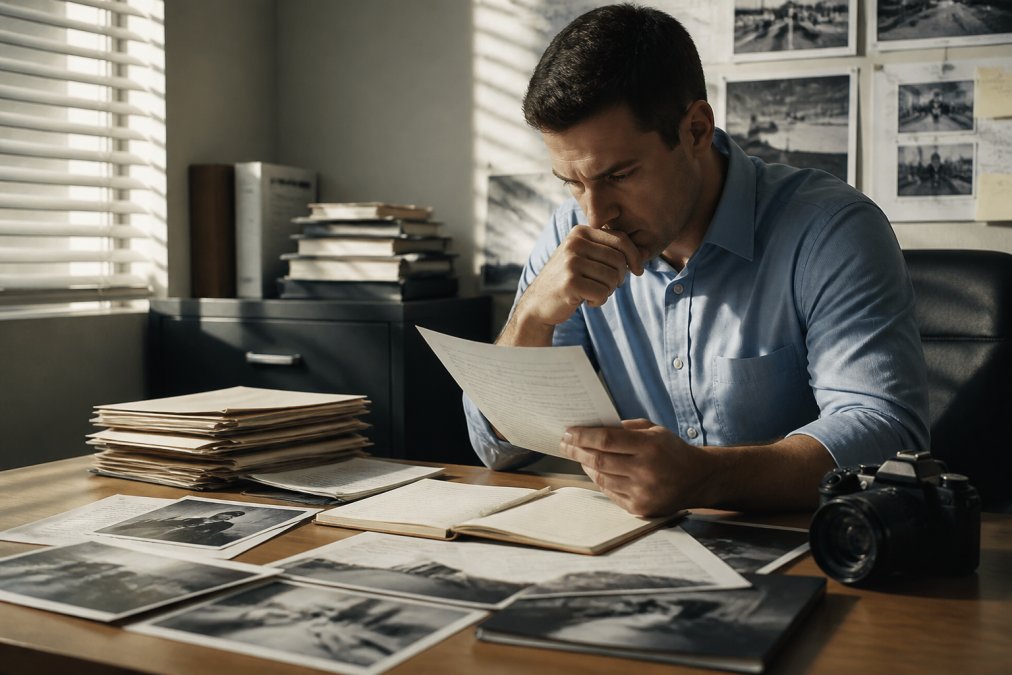
Discovery is the legal process where both sides exchange evidence before trial. A private investigator accelerates this process by identifying what evidence exists, where it's located, and how to obtain it legally and admissibly. Their work during discovery often determines what ammunition you'll have when the case reaches trial.
Types of Evidence That Hold Up in Court
Not all evidence is created equal in court. A photograph taken haphazardly might be challenged as biased. A witness statement recorded without proper documentation might be deemed hearsay. An investigator who understands evidentiary standards knows which evidence will survive judicial scrutiny and which will be excluded before trial begins.
Physical evidence, documents, photographs, physical objects, must be properly documented with timestamps, locations, and handling procedures. Digital evidence presents additional challenges. Emails, text messages, metadata, and digital files require forensic handling to establish authenticity and prevent claims of tampering. Testimonial evidence from witnesses carries weight only when the witness can be located, interviewed, and prepared to testify.
Chain of Custody and Admissibility Standards
Chain of custody is the documented record of who handled evidence, when, where, and under what conditions (justice.gov). Courts require an unbroken chain to establish that evidence hasn't been altered, contaminated, or mishandled (uscourts.gov). A single gap in documentation can render evidence inadmissible.
Every piece of evidence must be documented from collection through trial: who collected it, when, where it was stored, who had access, and what condition it was in. An investigator who understands these standards documents everything meticulously, creating a record that withstands cross-examination. Digital evidence requires particular attention to forensic protocols, metadata preservation, and documentation of tools and procedures used.
How to Prepare Witness Interviews for Defense
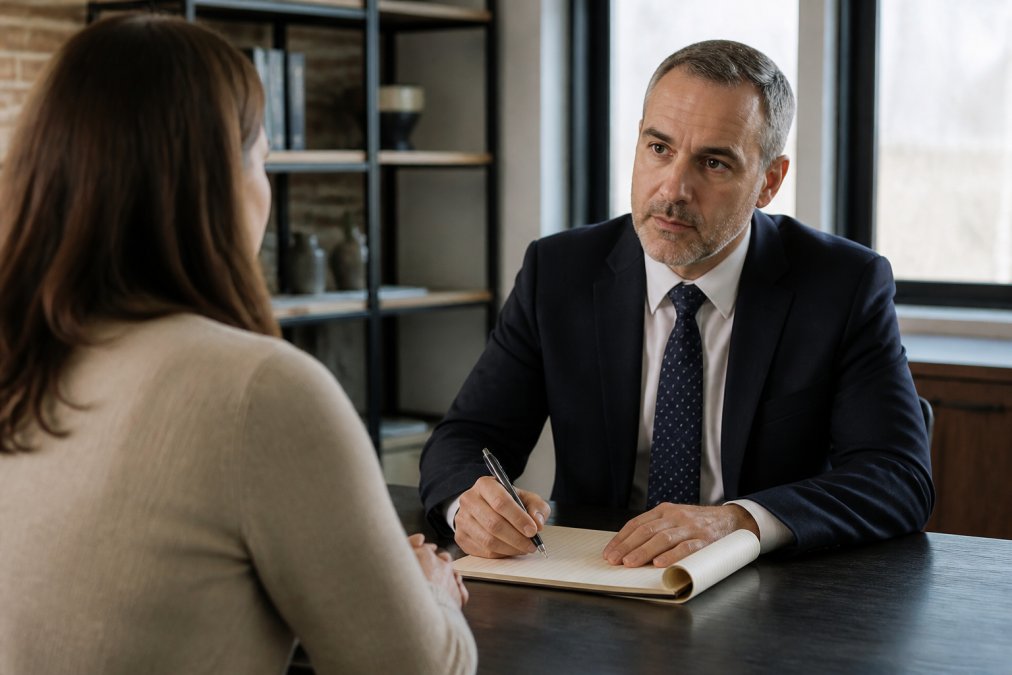
Witness interviews are where investigation becomes litigation strategy. The investigator assesses credibility, identifies inconsistencies, and determines whether the witness will help or hurt your case. This assessment shapes trial strategy months before testimony begins.
An investigator approaches each interview with specific objectives: establish the witness's location and perspective on events, identify what they observed versus what they inferred, determine their relationship to parties involved, and assess their reliability. Documentation of witness interviews must be thorough, written statements, recorded interviews (with permission), and detailed notes create a record that protects the witness's account and establishes what they said before trial.
Location and timing matter. Interviewing a witness at the scene where events occurred often triggers more accurate recollection than an office setting. An investigator knows this and conducts interviews strategically, sometimes at multiple locations to establish what the witness could actually see or hear from different vantage points.
Private Investigator Expert Witness Testimony
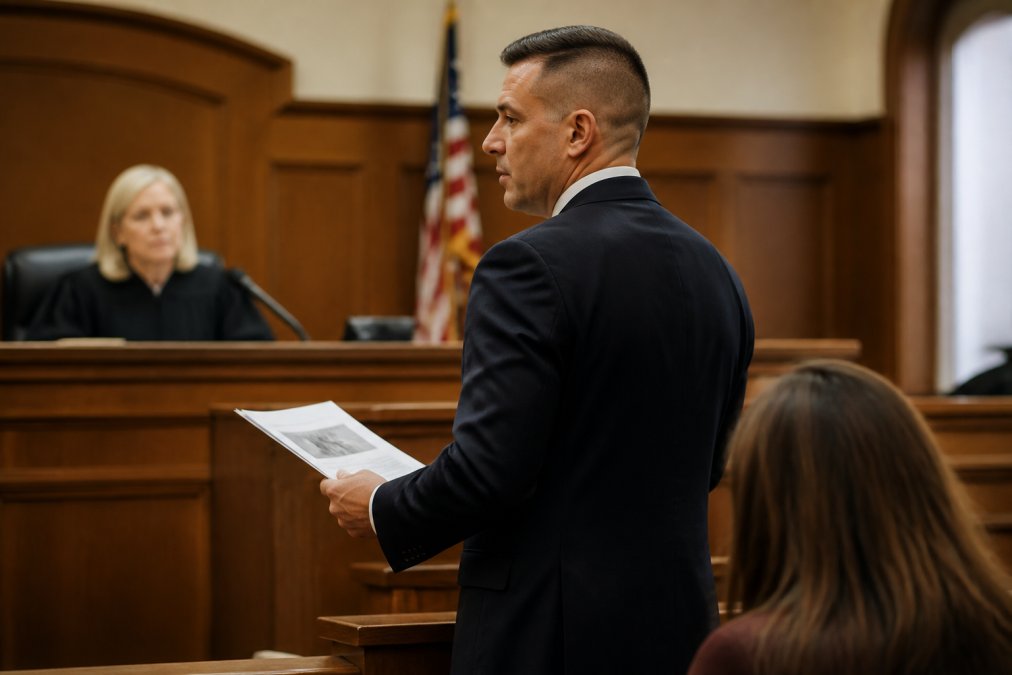
When a private investigator testifies as an expert witness, they're explaining what their findings mean within the context of investigative standards and industry practice. Expert witness testimony elevates the credibility of evidence and provides the court with qualified analysis.
Expert Witness Qualifications and Deposition Preparation
An investigator becomes qualified as an expert through years of field experience, specialized training, and demonstrated knowledge. Qualifications typically include years investigating similar cases, certifications or memberships in professional organizations, and a track record of testimony in depositions and trials. The National Defenders Investigator Association establishes standards for investigator qualifications and ethical practice.
Deposition preparation is where expert witness testimony is tested before trial. During a deposition, opposing counsel questions the investigator under oath, probing their methodology, assumptions, and conclusions. A well-prepared investigator answers questions precisely, acknowledges limitations, and explains their reasoning clearly. Preparation involves reviewing all investigative reports, documenting methodology, and anticipating challenging questions.
Understanding Investigator Licensing and Credentials
Not every person calling themselves an investigator is actually qualified. Licensing requirements vary by state, but they exist to protect consumers and ensure investigators meet minimum standards. When you hire a private investigator for trial, licensing and credentials matter enormously because unlicensed investigators can't testify as experts and their evidence may be inadmissible.
State licensing typically requires specific hours of investigative experience, background checks, and sometimes examination. These requirements exist because courts need assurance that the investigator follows legal and ethical standards. MCP Investigations & Security holds state licensure and maintains membership in professional organizations like the National Defenders Investigator Association, which establishes standards for investigator conduct and expertise.
Beyond licensing, look for investigators with specific experience in your type of case. Criminal defense investigations differ from civil litigation investigations. An investigator experienced in wrongful death cases understands different evidentiary requirements than one focused on other case types.
How to Hire a Qualified Investigator for Trial
Hiring the right investigator shapes your entire case. Start by identifying investigators with experience in your specific case type. Ask about their trial experience specifically, how many cases have they testified in? How many times has their evidence been admitted?
Check credentials and licensing status. Verify that the investigator holds current state licensure and belongs to recognized professional organizations. Ask for references from attorneys they've worked with previously. Discuss their process and timeline. How will they approach your case? What evidence will they pursue? How long will it take?
Red Flags in Investigator Hiring
An investigator who guarantees specific outcomes before conducting investigation is making promises they can't keep. Investigations follow evidence, not predetermined conclusions. Vague communication about methodology is a red flag. An investigator should explain their process clearly and discuss how they'll handle evidence documentation and chain of custody.
Cost estimates that seem too low should raise questions. Investigation takes time. If an investigator quotes a price significantly lower than others, they may be cutting corners on documentation, interviews, or thorough record retrieval.
Attorney-Client-Investigator Communication Checklist
Clear communication between attorney, client, and investigator prevents misunderstandings and ensures everyone understands objectives and timelines.
- Define objectives clearly. What specific evidence does your case need? What witnesses must be located?
- Establish timeline expectations. When do you need results? What deadlines drive the investigation?
- Discuss budget and fee structure. How will the investigator be paid? What's included in their fee?
- Set communication frequency. How often will the investigator report progress?
- Document all instructions. Put objectives, timeline, and scope in writing.
- Discuss confidentiality. What information is privileged? Attorney-client privilege may extend to investigator communications.
- Establish evidence handling procedures. How will evidence be documented? What's the process for delivering evidence to the attorney?
Cost Factors and Fee Structures
Investigation costs vary based on case complexity, geographic scope, and investigator experience. Most investigators charge hourly rates for fieldwork, interviews, and analysis. Geographic scope matters, a local investigation costs less than one requiring nationwide record retrieval. Complexity matters too.
Many investigators work on retainer, where you pay upfront for a set number of hours or a specific scope of work. This provides cost predictability and ensures the investigator commits resources to your case. Additional costs might include certified record retrieval, court filing fees, travel expenses, and expert analysis. Discuss these potential costs upfront.
When evaluating cost, consider value. A more experienced investigator might charge higher hourly rates but produce admissible evidence quickly, saving you money overall. The lowest cost isn't always the best value when trial outcomes are at stake.
Pre-Trial vs. Trial Phase Investigation Strategies
Investigation strategy shifts as your case moves from pre-trial to trial phase. Pre-trial investigation focuses on discovery, evidence gathering, and building your case narrative. Trial phase investigation supports testimony, locates last-minute witnesses, and responds to unexpected developments.
Pre-trial investigation is methodical and comprehensive. The investigator has time to conduct thorough interviews, retrieve all relevant records, and develop detailed documentation. Trial phase investigation is reactive and focused. Unexpected testimony might require urgent witness location or additional documentation. The investigator must respond rapidly while maintaining evidence standards.
Hiring a qualified private investigator for trial requires careful evaluation of credentials, experience, and communication. When you work with MCP Investigations & Security, you're partnering with Southeast Missouri's first state-licensed detective agency with over 20 years of criminal defense and litigation support experience. We understand what courts require, how to preserve admissible evidence, and how to prepare expert witness testimony that holds up under cross-examination. If your trial preparation needs investigative support, contact us to discuss your case and learn how our experience can strengthen your defense or support your claim.
Frequently Asked Questions
Can a private investigator testify as an expert witness in court?
Yes, qualified private investigators can testify as expert witnesses if they meet licensing requirements and have documented expertise in their field. Expert witness testimony requires the investigator to demonstrate relevant experience, training, and credentials. Your attorney will work with the investigator during deposition preparation to establish qualifications and ensure testimony meets evidentiary standards. Not all investigators have expert witness experience, so verify this capability when hiring for trial work.
What types of evidence can a private investigator legally collect for trial?
Private investigators can legally collect public records, conduct surveillance within legal boundaries, interview willing witnesses, document crime scenes, retrieve certified court records, perform background investigations, and conduct asset searches. However, admissible evidence must follow chain of custody procedures and comply with state and federal laws. Evidence obtained through illegal means, wiretapping, trespassing, or misrepresentation, is inadmissible and can damage your case. Always confirm your investigator understands evidentiary standards before beginning work.
How do you verify the credentials of a private investigator for legal work?
Verify that your investigator holds a current private investigator license issued by your state and confirm their license status with the state licensing board. Ask about membership in professional organizations like the National Defenders Investigator Association. Request references from attorneys they've worked with on similar cases. Review their experience with expert witness testimony, depositions, and trial preparation. Ask about their process for maintaining chain of custody and ensuring evidence admissibility. Red flags include unwillingness to provide references or vague answers about licensing.
How quickly can a private investigator complete witness interviews and scene documentation?
Timeline depends on case complexity, witness availability, and geographic scope. Local witness interviews can often be completed within days; nationwide investigations take longer. Scene documentation typically happens quickly if access is available. Discuss your deadline, usually 60 days before trial, during the initial consultation. Experienced investigators prioritize time-sensitive tasks and communicate progress regularly. Ensure your investigator confirms they can meet your timeline before you hire them, as delays in discovery can affect trial preparation.
What should I look for in an investigator's discovery and evidence collection process?
Look for investigators who document their process thoroughly, maintain strict chain of custody for all evidence, and provide detailed written reports. They should explain how they verify information sources and ensure admissibility. Ask about their experience with digital evidence, public records retrieval, and witness documentation. The investigator should clearly outline what evidence they can legally obtain and flag potential admissibility issues upfront. Request sample reports to assess quality and detail level. Communication about evidentiary standards prevents costly surprises later.
How do I prepare witness interviews with my investigator before trial?
Work with your attorney and investigator to develop an interview strategy targeting gaps in discovery. Provide the investigator with case background, known facts, and specific questions your attorney needs answered. Discuss witness location, availability, and approach, some witnesses cooperate willingly, others require more delicate handling. Brief the investigator on what testimony will be needed at trial and what evidence supports it. Conduct a practice interview if possible. Document all interviews thoroughly with dates, locations, and exact statements. This preparation ensures witness testimony aligns with your defense narrative.
Can I trust a private investigator to deliver results before my trial date?
Trust depends on clear agreements about timeline, deliverables, and communication. At hiring, establish a written retainer agreement specifying deadlines, progress check-ins, and final delivery dates. Request regular status updates, weekly or bi-weekly depending on case urgency. Choose investigators with documented experience meeting trial deadlines. Check references specifically about timeliness. Establish consequences for missed deadlines in your agreement. Professional investigators understand that trial preparation has hard deadlines and structure their workflow accordingly.
This article was written using GrandRanker