 ultimate-guide
Wrongful Death Investigation Process: 7 Key Steps
Table of Contents
- Why a Structured Investigation Determines Your Case Outcome
- Step 1: Secure the Scene and Preserve Physical Evidence
- Step 2: Gather Medical Records and the Autopsy Report
- Step 3: Identify and Interview Witnesses Early
- Wrongful Death Evidence Collection Procedures That Hold Up in Court
- Timeline of a Wrongful Death Investigation: What to Expect
- How to Hire a Private Investigator for Wrongful Death Cases
- From Investigation to Litigation: Building the Demand Package
- Frequently Asked Questions
Last Updated: September 7, 2026
Why a Structured Investigation Determines Your Case Outcome
A wrongful death investigation is the systematic process of gathering, preserving, and analyzing evidence to establish liability and prove negligence after a fatal incident. Its quality determines whether surviving family members receive fair compensation.
At MCP Investigations & Security, we have over two decades of experience documenting incident scenes and conducting witness interviews for legal firms. The difference between a settled claim and a drawn-out wrongful death lawsuit often comes down to how the investigation was handled in the first days and weeks.
The most common mistake families make is waiting. Evidence disappears, memories fade, and surveillance footage gets overwritten. The statute of limitations does not pause while you gather your bearings.
Step 1: Secure the Scene and Preserve Physical Evidence
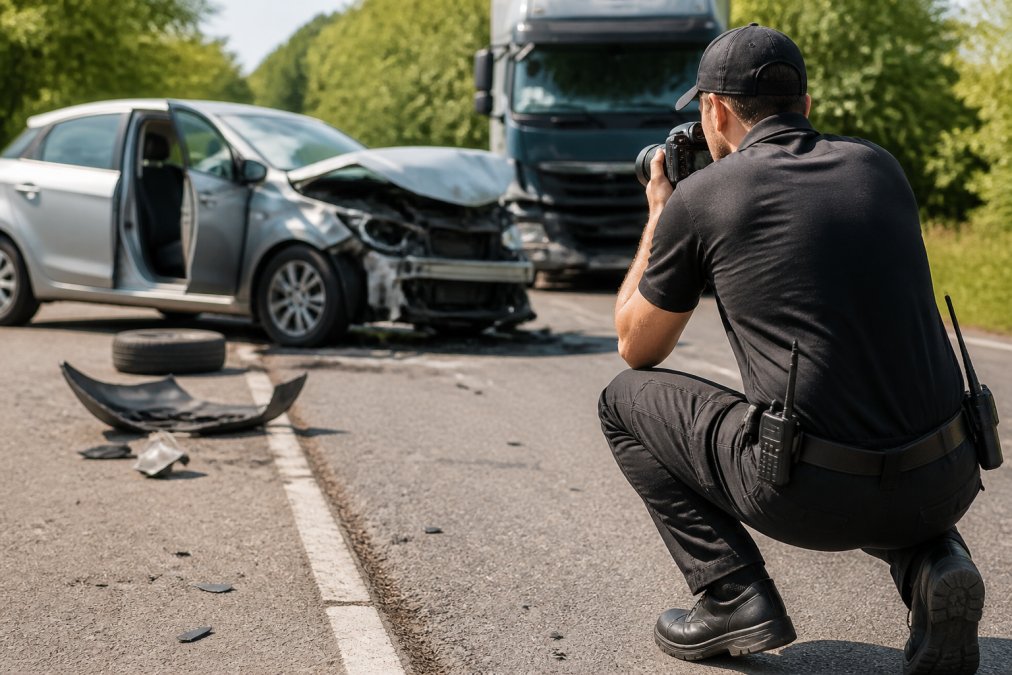
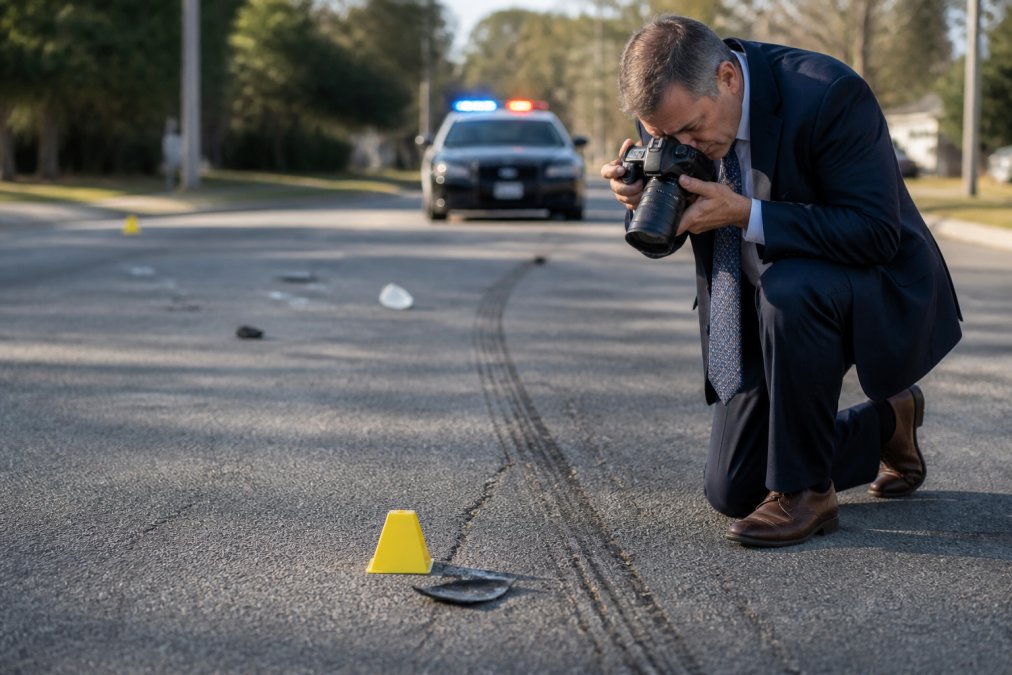
The investigation begins the moment the incident occurs, and the first priority is preventing evidence loss. Physical evidence, tire marks, skid patterns, debris fields, fluid trails, can be destroyed by weather, traffic, or bystanders within hours.
For vehicular wrongful death cases, accident reconstruction relies on precise measurements and photographs taken from multiple angles. This includes documenting road conditions, traffic control devices, sight lines, and final resting positions of all vehicles involved. According to guidance on evidence preservation best practices for civil litigation, the chain of custody for physical evidence must be documented meticulously to remain admissible in court.
Step 2: Gather Medical Records and the Autopsy Report
Medical documentation serves two purposes: establishing the cause of death and demonstrating the link between the incident and the decedent's injuries. The autopsy report is the foundational document for any wrongful death claim, providing the official cause of death that must align with the incident to prove proximate cause.
Requesting these records promptly is essential, as hospitals and medical examiners' offices have specific release procedures that can cause delays. A thorough wrongful death investigation also reviews pre-existing conditions, since defense attorneys will argue these contributed to the death. Obtain the death certificate in multiple certified copies.
Step 3: Identify and Interview Witnesses Early
Witness testimony can make or break a case, but only if captured while memories are fresh. Independent witnesses carry significant weight with insurers and juries.
The interview process demands skill. Open-ended questions elicit more detailed responses than leading ones, and the interviewer must document statements accurately without injecting interpretation. Witness credibility is scrutinized in litigation, so investigators must assess factors like vantage point, attention at the time of the incident, and any potential bias. For multi-state cases, coordinating interviews across jurisdictions requires investigators with nationwide capabilities, as the National Association of Legal Investigators notes is critical for complex litigation support.
Wrongful Death Evidence Collection Procedures That Hold Up in Court
Collecting evidence is only half the battle; the procedures used determine whether it survives a legal challenge. Every photograph, document, and recording must be logged with timestamps, locations, and the collector's name.
The discovery phase allows the defense to scrutinize every piece of evidence. If procedures were sloppy, evidence can be excluded and a strong case can fall apart.
Digital Evidence Preservation: The Technical Steps Most Guides Miss
Digital evidence often provides the objective truth that witness testimony cannot. Phone records can show texting while driving, GPS data can establish location and speed, and social media posts can contradict claims about a decedent's state of mind.
Preserving digital evidence requires acting quickly. Many systems overwrite footage within 30 days, and phone carriers may not retain records indefinitely. Issue preservation letters immediately.
A unique angle most guides miss is the specific technical workflow for preserving volatile digital evidence. The sequence matters:
- Identify all potential sources immediately. This includes the decedent's smartphone, cloud accounts (iCloud, Google Drive), social media platforms (Facebook, Instagram, Snapchat), and any connected devices like smartwatches or vehicle telematics systems.
- Issue targeted preservation letters within 24-48 hours. These letters must be sent not just to the social media platforms themselves, but also to the decedent's employer (for work-issued devices), family members who may have access to shared accounts, and any third parties who might have received messages or posts.
- Place the decedent's phone in airplane mode immediately upon gaining lawful access. This prevents remote wiping or overwriting of data. Do not power it on and start browsing; that alters critical timestamps and metadata.
- Document the device's physical state. Photograph the phone, its screen, and any connected cables before touching it. Note the battery level and whether it is locked.
- Use forensic imaging, not manual copying. A proper forensic image (a bit-for-bit copy) preserves deleted files and metadata that standard file copying destroys. This requires specialized software, which only trained professionals should operate.
- For cloud data, act before the account is deactivated. Many providers deactivate accounts after a period of inactivity. A court order or a family member with legal authority must act quickly to download or preserve the data.
- Check for connected vehicle data. Modern vehicles often record speed, braking, and location data in the event of a crash. This Event Data Recorder (EDR) data can be crucial in vehicular wrongful death cases and must be downloaded by a professional with the correct tools, often before the vehicle is repaired or scrapped.
Documenting the Incident Scene with Forensic Precision
Photographs must be systematic and comprehensive. Wide-angle shots establish the overall scene, mid-range photos show relationships between objects, and close-ups capture specific details. Measurements should use fixed reference points, with notes recording weather, lighting, and time of day.
Diagrams created from these measurements become exhibits that help juries understand the incident. For premises liability cases involving wrongful death, documenting the exact condition of the location, including any hazards or missing safety features, is essential to establishing negligence. The standards for forensic scene documentation emphasize the importance of contemporaneous notes made at the scene, not reconstructed later from memory.
Beyond the basics, a professional investigator will also:
- Use a total station or 3D laser scanner for complex scenes, allowing for precise digital reconstruction that can be animated for a jury.
- Collect environmental data such as weather reports, lighting conditions at the time of the incident, and any nearby construction or road work that could be a contributing factor.
- Photograph the scene from the perspective of each witness to validate or challenge their accounts.
- Secure and document any physical evidence that might degrade, such as fluids, tire marks, or biological material, using proper evidence handling protocols.
Timeline of a Wrongful Death Investigation: What to Expect
The timeline of a wrongful death investigation varies based on case complexity, but understanding the typical phases helps families plan. The initial investigation, scene documentation, evidence collection, and witness interviews, typically takes four to eight weeks.
The analysis phase, medical records review, accident reconstruction, liability assessment, can take another four to six weeks. Building the demand package and initiating settlement negotiations may take several months. If the case proceeds to litigation, the timeline can extend to a year or more.
| Investigation Phase | Typical Duration | Key Activities |
|---|---|---|
| Initial Investigation | 4-8 weeks | Scene documentation, evidence preservation, witness interviews |
| Analysis & Review | 4-6 weeks | Medical records review, accident reconstruction, liability assessment |
| Demand & Negotiation | 2-6 months | Demand package preparation, settlement discussions |
| Litigation (if needed) | 6-18 months | Discovery phase, depositions, expert witness testimony |
How to Hire a Private Investigator for Wrongful Death Cases
Knowing how to hire a private investigator for wrongful death cases requires asking the right questions before signing a contract. Not all investigators have experience with civil litigation, and that experience directly affects the admissibility of the evidence they gather.
A qualified investigator should be able to explain how they would approach your case, what deliverables you will receive, and how they handle the chain of custody for evidence. They should also be transparent about their availability and caseload. As noted in guidance on selecting investigative services, verifying credentials and asking for references from legal professionals is a critical step in the selection process.
Credentials That Matter: Licensing, Experience, and Expert Testimony
State licensing is the baseline requirement for any private investigator, but it is not sufficient for complex wrongful death work. Look for investigators who have testified as expert witnesses in depositions and trials.
Experience with specific case types matters as well. An investigator who has handled dozens of wrongful death claims will know what evidence insurers expect and what arguments defense attorneys raise. Professional organization membership indicates a commitment to industry standards.
Cost Transparency and Deliverables Before You Sign
Pricing for wrongful death investigations varies based on scope, the number of witnesses, and the complexity of the evidence. Reputable firms provide clear proposals outlining the work, timeline, and deliverables.
Before signing, ask about the final report's format, whether the investigator will be available for depositions and trial testimony, and how they handle additional expenses like travel or record retrieval fees.
Navigating the Emotional Weight of the Investigation: What Families Should Expect
Most guides focus solely on the legal and procedural aspects of a wrongful death investigation, leaving families unprepared for the emotional toll of reliving the incident. A professional investigator should be a skilled fact-finder and a source of stability during a profoundly difficult time.
Here is what families should expect and how to cope:
- The investigation will require revisiting painful details. Reviewing medical records, autopsy reports, and scene photographs can be re-traumatizing. It is essential to have a support system in place, whether that is a trusted friend, a grief counselor, or a support group.
- The process can feel slow and out of your control. Setting realistic expectations about timelines and maintaining open communication with your legal team can help alleviate anxiety. Ask your attorney for regular updates, even if there is no new development.
- You may feel pressure to "move on" but grief is not linear. The legal process can extend grief, as each new piece of evidence or legal hurdle brings the loss to the forefront. Give yourself and your family permission to grieve at your own pace.
- Seek out professional emotional support. Many communities offer grief counseling services, and organizations like the National Alliance for Grieving Children or local hospice centers can provide referrals. Some law firms and investigative agencies can also recommend counselors who specialize in trauma and loss.
- Lean on your investigator for clarity, not just results. A good investigator will explain the process in plain language, answer your questions patiently, and translate complex legal and forensic concepts into understandable terms.
From Investigation to Litigation: Building the Demand Package
The culmination of the wrongful death investigation is the demand package, a comprehensive document presenting the evidence of liability and damages suffered. It includes investigative findings, medical records, autopsy report, witness statements, and documentation of economic and non-economic damages.
The demand package is the foundation for settlement negotiations. Insurers evaluate the strength of the evidence and the likelihood of an adverse verdict at trial. A thorough, professionally documented investigation signals that the plaintiff's team is prepared to litigate, often resulting in more favorable settlement offers. If settlement cannot be reached, the package becomes the framework for the wrongful death lawsuit.
Navigating a wrongful death investigation while grieving is an overwhelming burden. The procedural demands, from evidence preservation to witness interviews, require professional expertise that most families do not possess. MCP Investigations & Security brings over 20 years of experience as Southeast Missouri's first state-licensed detective agency, providing comprehensive discovery, nationwide record retrieval, and expert witness testimony in depositions and trials. Our team understands what it takes to build a case that holds up under scrutiny. Get started with MCP Investigations & Security and ensure the investigation your loved one deserves is handled with precision and care.
Frequently Asked Questions
What is the timeline of a wrongful death investigation?
A wrongful death investigation timeline depends on case complexity and jurisdiction. Initial evidence collection and witness interviews typically take 4 to 8 weeks. Medical record retrieval and expert review can add another 60 to 90 days. A straightforward case may conclude in 3 to 6 months, while litigation with depositions and discovery can extend beyond a year. A private investigator should give you a written schedule with milestones after reviewing the facts. Ask for progress updates at each phase so you know the case is moving forward before trial dates approach.
How does a private investigator assist in a wrongful death case?
A private investigator handles the evidence collection your attorney cannot prioritize. This includes locating and interviewing witnesses, photographing the incident scene, retrieving surveillance footage, and obtaining certified medical and employment records. Investigators also analyze phone and GPS data to establish negligence or breach of duty. In many cases, the investigator testifies as an expert witness in depositions and trials. Their work creates the factual foundation that supports liability, proximate cause, and compensatory damages in your wrongful death claim.
What types of evidence are critical in a wrongful death investigation?
Critical evidence includes the death certificate, autopsy report, toxicology results, and complete medical records. Incident scene photographs and measurements document conditions that contributed to the death. Surveillance footage, phone records, and GPS data establish actions leading up to the incident. Witness statements preserve recollections before memories fade. Expert analysis of accident reconstruction or product failure often determines liability. A qualified investigator preserves digital evidence immediately, since surveillance systems typically overwrite footage within 30 days and phone carriers may not retain data indefinitely.
What is the difference between a criminal and civil death investigation?
A criminal death investigation determines whether someone committed a crime and requires proof beyond a reasonable doubt. Police and prosecutors run this process. A civil wrongful death investigation establishes negligence or breach of duty under a preponderance of evidence standard, which is a lower burden of proof. The civil investigation focuses on financial damages for surviving family members. Even when criminal charges are not filed or result in acquittal, a civil wrongful death lawsuit can succeed. Private investigators often work civil cases while criminal authorities handle the parallel criminal inquiry.
How do I know if I need to hire a private investigator for a wrongful death case?
You need a private investigator when evidence is at risk of disappearing. Surveillance footage gets overwritten, witnesses relocate, and physical scenes change within days. If liability is unclear, multiple parties share fault, or the defense has substantial resources, early investigation protects your claim. An investigator also strengthens your position if your attorney lacks time to locate out-of-state witnesses. Ask whether the investigator has testified as an expert witness in depositions and trials. That experience signals they understand evidentiary standards and can withstand cross-examination.
What are the primary stages of a wrongful death investigation?
The primary stages include securing the incident scene, preserving physical and digital evidence, retrieving medical records and the autopsy report, and locating witnesses for statements. Next, investigators establish liability by analyzing negligence, breach of duty, and proximate cause. The findings go into a demand package sent to insurance carriers. If settlement negotiations fail, the case moves into litigation with discovery, depositions, and expert testimony. Throughout the process, the investigator documents everything with chain-of-custody records so the evidence remains admissible in court.