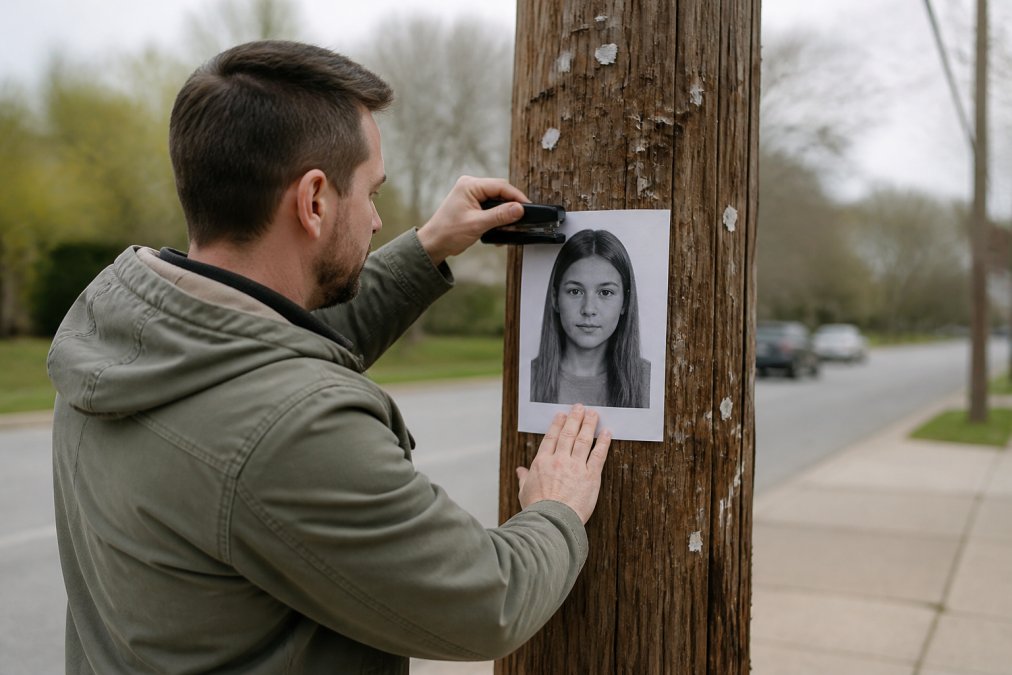
 how-to
How to Locate Missing Persons: A Step-by-Step Guide
Table of Contents
- Immediate Steps to Take When Someone Goes Missing
- How to File a Missing Persons Report with Law Enforcement
- Gathering Physical Descriptions and Documenting Evidence
- Checking Hospitals, Shelters, and Local Facilities
- Utilizing National Databases and Public Access Systems
- When to Hire a Private Investigator and What to Expect
- Digital Footprint Analysis and Social Media Tracking
- Supporting Family Members During the Search
Last Updated: August 26, 2026
Immediate Steps to Take When Someone Goes Missing
The first hours after someone disappears are critical. Start by confirming the person is actually missing, check hospitals, jails, and places they frequent. Call their friends, family, workplace, and romantic partners. Many cases resolve within 24 hours through these simple steps (fbi.gov).
Document everything from the moment you realize someone is missing: last time seen, clothing, mental and physical state, recent stressors, vehicle information, phone number, medical conditions, and recent photographs. This information is essential for the missing person report.
Contact local law enforcement immediately. Do not wait for a 24-hour period, that rule doesn't exist.
How to File a Missing Persons Report with Law Enforcement
When you contact law enforcement, be prepared to provide identifying information: full legal name, date of birth, height, weight, distinguishing marks, and current clothing description. Explain where the person was last seen, when, and under what circumstances. Be honest about whether the disappearance is out of character.
Provide relevant context: Is the person suicidal or at risk of harming themselves? Do they have medical conditions requiring medication? Are there custody disputes or threats involved? Did they leave a note?
Ask the officer for a case number, the assigned detective's name and direct contact information, and whether the case will be entered into the National Crime Information Center database, which makes the missing person alert available nationwide.
For families in complex situations, wrongful death investigations, cases crossing state lines, or situations where law enforcement response seems inadequate, professional investigators like MCP Investigations & Security can work alongside police to accelerate the search and gather evidence that strengthens the case.
Gathering Physical Descriptions and Documenting Evidence
Detailed physical descriptions allow others to recognize your missing person. Compile a comprehensive profile: hair color and length, eye color, skin tone, visible tattoos or scars, typical style, glasses, jewelry, clothing brands, gait, and distinctive mannerisms.
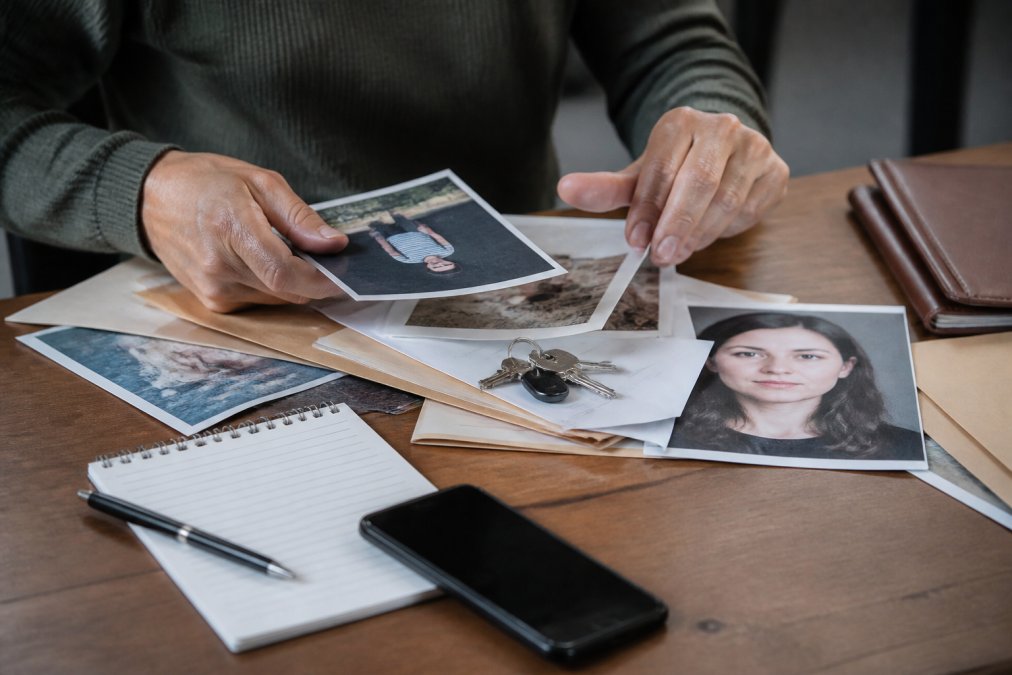
Gather multiple recent photographs from different angles and lighting. Include full-body shots and close-ups of the face. If the person changed their appearance recently, get photos showing both old and new looks.
Document personal items, handwriting samples, journals, notes, or letters. Preserve digital evidence: screenshot social media profiles, text message conversations, and email exchanges. Note usernames on various platforms, phone numbers, email addresses, and online accounts.
Create a timeline of events leading up to the disappearance. When was the person last seen? Who did they interact with? Where did they go? What was their mood? Gaps in this timeline often point to where investigators should focus.
Checking Hospitals, Shelters, and Local Facilities
Call every hospital within a 50-mile radius of where the person disappeared (peer-reviewed research). Ask whether anyone matching their description has been admitted. Hospitals receive patients with no ID regularly, accident victims, unconscious individuals, people experiencing mental health crises.
Contact local homeless shelters and emergency shelters. Provide staff with photographs and descriptions. Leave your contact information.
Check with local jails and police holding cells. Contact animal control and veterinary emergency clinics if the person has pets. Reach out to hotels, motels, and inns. Check local transit stations, bus terminals, train stations, and airports.
Using National Databases and Public Access Systems
The National Crime Information Center (NCIC) is the primary federal database. When law enforcement enters a missing person report into NCIC, the information becomes accessible to every police department, sheriff's office, and federal agency in the country. Ask the officer filing your report whether they've entered the case into NCIC.
The National Center for Missing & Exploited Children (NCMEC) maintains the CyberTipline and operates a clearinghouse for missing children and endangered persons. For cases involving minors or adults at risk, NCMEC can amplify your search efforts.
The FBI's Violent Criminal Apprehension Program (ViCAP) tracks certain types of missing persons cases, particularly those with indicators of foul play. State-level missing person databases exist in most states. The Doe Network and NamUs are public-access databases where families can post information about missing loved ones.
Social media amplification through Facebook, Twitter, and local community groups can reach thousands instantly. Create a post with the person's photograph, description, last known location, and your contact information. Contact local media outlets, journalists cover missing person cases, especially when circumstances are unusual or the person is vulnerable.
When to Hire a Private Investigator and What to Expect
Hire a private investigator if law enforcement progress stalls, if the case involves complex circumstances, or if you need specialized expertise. Hire an investigator if law enforcement seems to treat the case as low priority despite concerning circumstances, if days pass with no progress, or if the investigation doesn't seem thorough enough.
Hire an investigator if the case involves multiple states, international borders, criminal activity, or civil disputes. Hire an investigator if you need expert testimony or evidence suitable for court proceedings.
Private investigators conduct interviews with potential witnesses, perform digital forensics, locate and interview witnesses across state lines, document crime scenes, and analyze patterns in the missing person's behavior.
MCP Investigations & Security, Southeast Missouri's first state-licensed detective agency with over 20 years of experience, specializes in locating missing persons and conducting investigations that support both families and legal cases. Their investigators have nationwide capability to interview witnesses, obtain certified records, and provide expert testimony. They work with families to develop comprehensive search strategies and gather evidence that law enforcement might miss.
Understanding Missing Person Investigation Timeline
In the first 72 hours, investigators focus on immediate leads: interviewing people who know the missing person, reviewing recent communications, checking hospitals and jails, and searching the last known location (peer-reviewed research). Most voluntary disappearances resolve during this window.
Days 4-14, investigators expand their search geographically if no leads have materialized. They issue public alerts and media appeals, analyze digital evidence, conduct neighborhood canvasses, and follow up on public tips.
Weeks 2-8, investigators broaden their focus: analyzing patterns in behavior, investigating potential criminal involvement, coordinating with other jurisdictions, and pursuing cold leads.
Beyond 8 weeks, cases become cold cases unless new evidence emerges. The timeline accelerates if there are indicators of foul play, if the missing person is a child or elderly, or if they have medical conditions requiring medication.
Digital Footprint Analysis and Social Media Tracking
A missing person's digital footprint often reveals where they went, who they contacted, and what they were thinking before disappearance.

Analyze the missing person's social media activity from weeks before disappearance. Look for mentions of plans, travel, relationships, or emotional distress. Check their location history if available, many phones automatically record location data. Review text messages and email for conversations suggesting plans, conflicts, or emotional state.
Analyze their online search history and financial activity. Review credit card and bank transactions from days before disappearance. Contact their email providers, social media platforms, and phone carriers, with proper authorization, these companies can provide detailed records.
Look for accounts you didn't know existed. Search the person's known email addresses and phone numbers on various platforms.
Supporting Family Members During the Search
Designate a family spokesperson to communicate with law enforcement, media, and the public. Establish a communication hub where information is shared and tasks are assigned. Seek mental health support, counselors and support groups help family members process trauma and maintain emotional stability.
Organize volunteers effectively. If the public offers to help, channel that energy productively. Maintain self-care routines, families often neglect sleep and nutrition while searching. Burnout helps no one.
Document the case thoroughly. Keep records of all communications, tips, investigative findings, and timeline developments. Prepare for the possibility of difficult outcomes. Missing person cases don't always end happily.
When someone goes missing, your actions in the first hours and days determine the trajectory of the case. Filing a report, gathering physical descriptions, checking local facilities, and using national databases are concrete steps that work. As your search extends beyond initial law enforcement response, professional investigators become invaluable partners. MCP Investigations & Security has spent over 20 years helping families locate missing persons through nationwide witness interviews, digital forensics, and expert investigative work. Their experience with complex cases, multi-state searches, and evidence preservation accelerates results when time matters most. Contact MCP Investigations & Security to discuss your specific situation and determine how professional investigation can support your search efforts.
Frequently Asked Questions
What is the first step when someone goes missing?
Contact law enforcement immediately and file a missing persons report, even if the person has been missing for only a short time. Gather recent photos, physical descriptions, clothing details, and information about the person's vehicle or last known location. Call 911 if you suspect foul play or the person is at-risk due to age, medical condition, or mental health concerns. Time is critical in missing person cases, so do not wait or assume the person will return on their own.
How do I file a missing persons report and what information do I need?
Contact your local law enforcement agency's non-emergency line or visit in person. Provide the person's full name, date of birth, physical description (height, weight, distinguishing marks), last known clothing, last known location, time last seen, vehicle information if applicable, and any medical conditions or medications. Have recent photographs ready. Law enforcement will create an incident report and enter the person into the National Crime Information Center (NCIC) database. If the person is endangered or a minor, the report is prioritized immediately.
When should I consider hiring a private investigator for a missing person case?
Consider hiring a private investigator when law enforcement resources are limited, the case is not progressing, or you need specialized investigative leads pursued across state lines. Private investigators can conduct digital forensics, interview witnesses, check hospitals and shelters, and analyze social media activity. An experienced investigator with state licensure can help preserve evidence and document findings for legal proceedings if needed.
What resources are available to help locate a missing person?
The National Missing and Unidentified Persons System (NamUs) is a free public access database where you can register a missing person case and search unidentified persons records. The National Center for Missing and Exploited Children (NCMEC) operates a toll-free hotline and provides tip submission services. Local emergency services, search and rescue teams, and law enforcement clearinghouses coordinate investigative efforts. Social media platforms, community organizations, and victim advocacy groups can amplify public awareness and generate investigative leads.
This article was written using GrandRanker