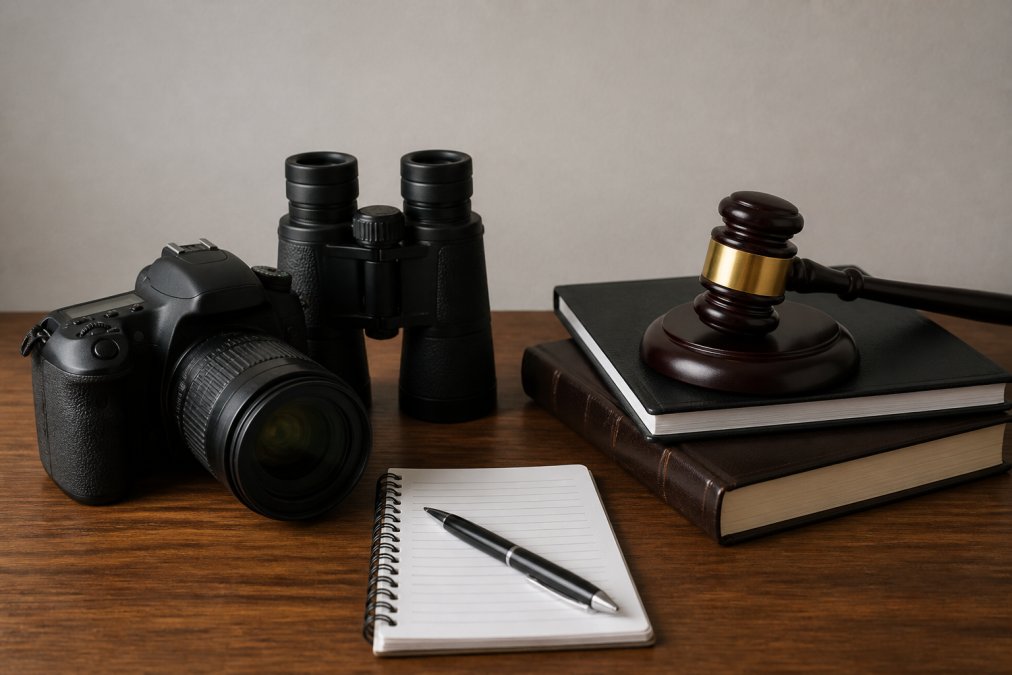
 comparison
Hiring Investigator vs Divorce Lawyer: What to Know
Table of Contents
- Investigator vs Divorce Lawyer: Quick Comparison Table
- What a Divorce Lawyer Actually Does in Your Case
- What a Private Investigator Adds to Divorce Litigation
- Admissibility of Private Investigator Evidence in Court
- Legal Boundaries for Private Investigators: The Illegal Evidence Trap
- Cost of Hiring a Private Investigator for Divorce vs Legal Fees
- How to Decide: Investigator, Lawyer, or Both
- Frequently Asked Questions
Last Updated: September 15, 2026
Investigator vs Divorce Lawyer: Quick Comparison Table
Choosing between hiring investigator vs divorce lawyer services comes down to one question: what does your case actually need to prove? A divorce lawyer manages the legal process, while a private investigator gathers facts that support your position. Understanding where each fits prevents you from overspending on services that won't move your case forward.
The table below breaks down the core differences at a glance.
| Factor | Divorce Lawyer | Private Investigator |
|---|---|---|
| Primary role | Legal strategy, filings, negotiation | Evidence gathering, surveillance, documentation |
| Typical services | Court representation, settlement talks, discovery motions | Surveillance, background checks, witness interviews, digital forensics |
| Licensing | State bar admission | State-issued investigator license |
| Billing model | Hourly or retainer | Hourly or case-based |
| Output | Legal filings, court arguments | Investigative reports, photographs, testimony |
| When to hire | You need legal counsel or court representation | You need facts your attorney can use |
Many people assume these roles overlap. They don't. A lawyer can't conduct surveillance, and an investigator can't argue your case in court. The most effective approach often involves both working together.
What a Divorce Lawyer Actually Does in Your Case
A divorce lawyer is a licensed attorney who represents your legal interests throughout the dissolution process, from filing initial paperwork to final settlement or trial. Their work covers far more ground than most people realize.
Your attorney handles the legal framework of your divorce. That includes filing petitions, responding to motions, managing the discovery process, and negotiating settlement terms. In cases involving child custody, spousal support, or asset concealment, your lawyer builds the legal argument that supports your position.
What most guides miss is how much of a divorce attorney's job happens outside the courtroom. A significant portion of their time goes to reviewing financial disclosure documents, preparing interrogatories, and coordinating with experts like forensic accountants or investigators.
Legal fees vary widely based on complexity and jurisdiction. According to Sherbert Law Firm's breakdown of divorce attorney costs, hourly rates for divorce representation can range from $75 to $500 per hour depending on experience and case complexity. That range matters when you're deciding whether to add investigator costs on top of legal fees.
What a Private Investigator Adds to Divorce Litigation
A private investigator is a state-licensed professional who gathers factual evidence through surveillance, record retrieval, and interviews for use in legal proceedings (A survey of prosecutors and investigators using digital evidence: A starting point). In divorce cases, investigators document infidelity, locate hidden assets, and verify claims that affect custody or support decisions.
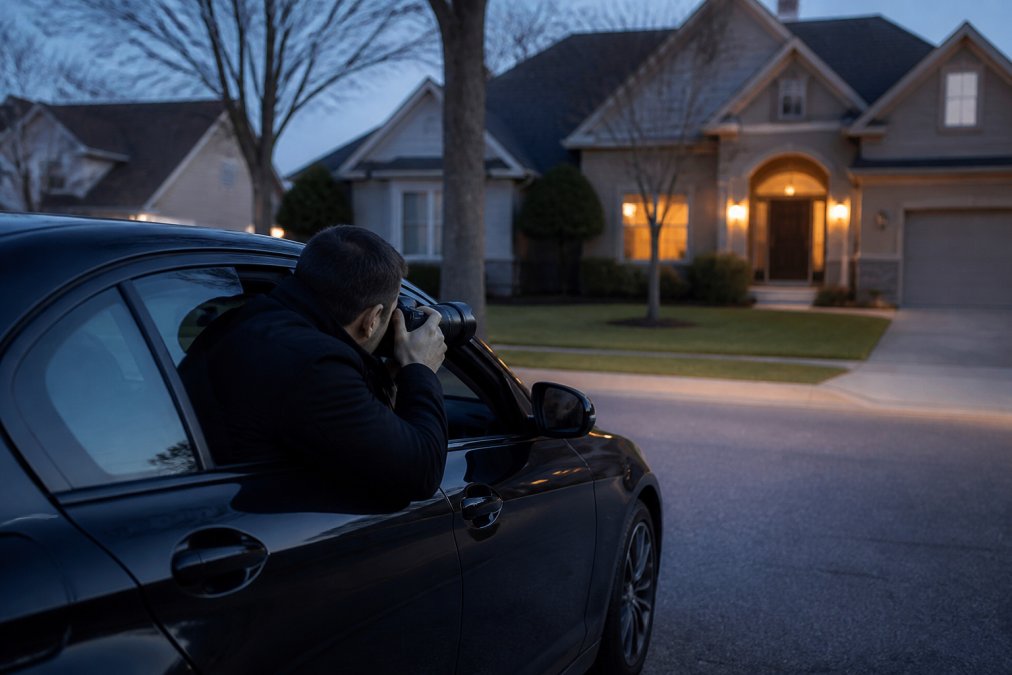
The evidence an investigator collects serves specific purposes in family law. Surveillance footage can document cohabitation patterns that affect spousal support. Financial records obtained through lawful means can reveal asset concealment. Witness interviews can corroborate claims about parenting capacity or substance abuse.
MCP Investigations & Security has provided investigative services for over 20 years, including infidelity investigations and comprehensive discovery support. The agency holds the distinction of being Southeast Missouri's first state-licensed detective agency, and its team includes expert witnesses experienced in depositions and trials. That combination matters because evidence is only useful if someone can present it effectively.
A common mistake is hiring an investigator before consulting an attorney. Your lawyer knows what evidence the court will consider relevant and admissible. Without that guidance, you might pay for surveillance that never makes it into your case.
Admissibility of Private Investigator Evidence in Court
Admissibility of private investigator evidence in court turns on how the evidence was obtained, not how damaging it is. Evidence gathered lawfully by a licensed investigator is generally admissible in divorce proceedings. Evidence obtained through illegal means is not, no matter how conclusive it looks.
Here is the distinction most guides skip: admissible evidence and useful intelligence are not the same thing, and you often need both.
Admissible evidence is what a judge can actually consider at trial or in a contested hearing. It has to clear the rules of evidence in your jurisdiction, survive any motion to suppress, and be authenticated by a witness who can testify to how it was collected and preserved. A surveillance log with timestamps, original unedited files, and a chain-of-custody record is built for this purpose.
Usable intelligence is information that may never see the inside of a courtroom but still changes the outcome of your case. A photograph of your spouse's car parked overnight at the same address, a pattern of social media posts, or a tip from a neighbor can be handed to your attorney to shape negotiation strategy, target discovery requests, or justify a subpoena. It gives your lawyer leverage even when it is not itself admissible.
Why does the difference matter to your wallet? Because attorneys bill for discovery, depositions, and motions. If an investigator can hand your lawyer intelligence that narrows the fight, you may avoid hours of formal discovery. The intelligence does not have to be admissible to save you money, it just has to be reliable enough to guide strategy.
Courts apply different standards depending on the type of evidence:
- Photographs and video taken in public places generally face fewer challenges than recordings made in private settings.
- Financial records obtained through lawful subpoena carry more weight than documents obtained through questionable means.
- Recorded conversations are governed by state wiretap and consent laws, which vary widely.
- GPS tracking and access to phone or bank records are tightly regulated and frequently litigated.
Proper evidence gathering follows specific protocols.
Legal Boundaries for Private Investigators: The Illegal Evidence Trap
Common violations include:
Cost of Hiring a Private Investigator for Divorce vs Legal Fees
A budget-conscious triage framework
| Your primary goal | Where the next dollar usually goes | Why |
|---|---|---|
| Reduce or defend alimony | Investigator first, then attorney | Documenting cohabitation or hidden income can shift a support calculation before negotiation starts |
| Win or defend custody | Attorney first, investigator as support | Courts weigh parenting capacity and stability; evidence must fit the legal standard your attorney is arguing |
| Uncover hidden assets | Attorney first, investigator in parallel | Discovery tools like interrogatories and subpoenas are the primary path; an investigator fills gaps discovery cannot reach |
| Confirm infidelity for settlement leverage | Investigator first | The facts shape strategy even if the evidence is never filed |
| Respond to a filing already served | Attorney only, initially | Deadlines and procedural rules come first; investigative scope is set after counsel reviews the petition |
Three questions before you authorize surveillance
Where the money actually goes
How to Decide: Investigator, Lawyer, or Both
Here's a practical framework for deciding:
Frequently Asked Questions
Should I hire a private investigator for divorce before or after I hire a lawyer?
Hire the divorce lawyer first. An attorney can tell you whether investigation is likely to affect your case outcome and what evidence the court will accept. In many cases, a lawyer will coordinate with the investigator to ensure evidence gathering follows state laws and the chain of custody holds up. Hiring an investigator on your own before getting legal counsel risks spending money on evidence that ends up inadmissible or irrelevant to your settlement negotiations.
What evidence can a private investigator provide for a divorce case?
A licensed investigator can document cohabitation, surveillance footage of infidelity, asset concealment activity, and background information on a spouse or partner. They can also locate and interview witnesses, retrieve certified public records, and produce an investigative report suitable for litigation strategy. The admissibility of private investigator evidence in court depends on how it was gathered, so the investigator and your attorney should work together from the start to avoid problems at trial.
Can hiring a private investigator backfire in court?
Yes, if the investigator crosses legal boundaries. Evidence obtained through illegal means, such as trespassing, wiretapping, or accessing private accounts without consent, can be excluded and may expose you to civil liability. Some judges also view aggressive surveillance as harassment. To avoid this, confirm your investigator is state-licensed, ask how they gather evidence, and have your divorce attorney review the plan before any surveillance begins.
Can you be sued for hiring a private investigator?
You can face civil claims if the investigator you hire breaks the law while working for you, such as invasion of privacy, stalking, or illegal recording. The risk drops sharply when you use a licensed, insured agency that follows legal boundaries for private investigators, including state privacy laws. Document the scope of work in writing, keep communication with your attorney, and choose an investigator with a track record of producing admissible evidence rather than one who promises results at any cost.
How do private investigators work with divorce attorneys?
Investigators and attorneys typically coordinate on case strategy, with the attorney defining what evidence is needed and the investigator gathering it within legal limits. The investigator may conduct surveillance, locate assets, interview witnesses, and prepare a detailed report the attorney can use during discovery, depositions, or settlement negotiations. Some investigators also serve as expert witnesses at trial. This collaboration keeps evidence gathering focused, reduces wasted spend, and improves the odds the findings hold up in family law court.