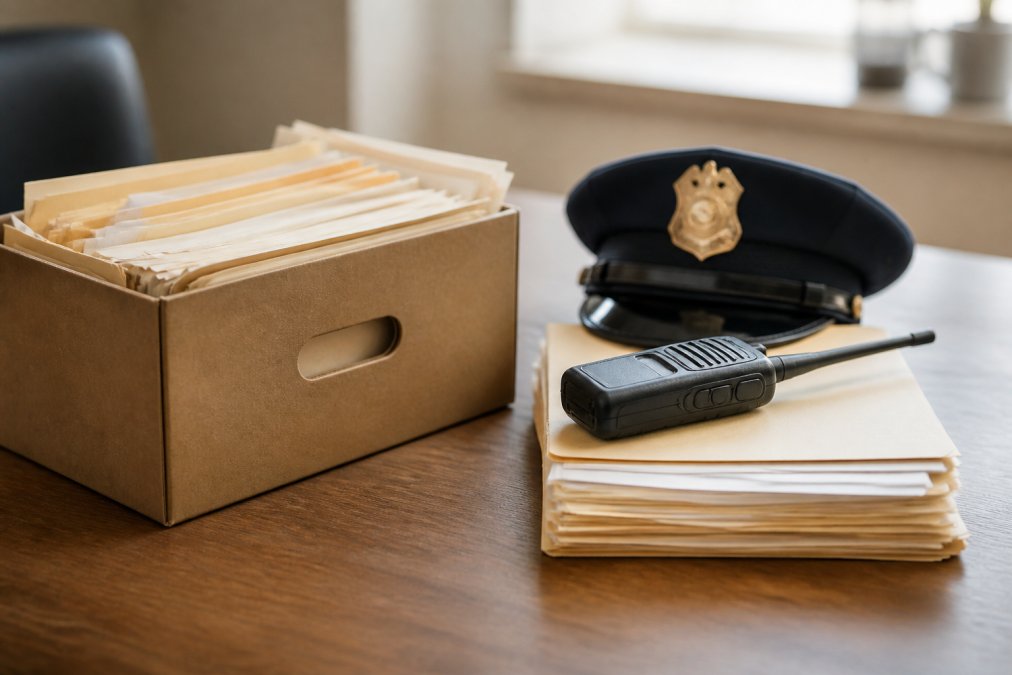
 comparison
Box Investigating vs Local Missouri Agencies
Table of Contents
- What Separates Private Investigators from Government Agencies
- Box Investigating: Scope and Capabilities
- Local Missouri Agencies: Authority and Jurisdiction
- Hiring a Private Investigator for Litigation Support
- How to Vet a Private Detective: Key Questions
- Cost of Hiring a Private Investigator
- When to Choose a Private Investigator Over Local Authorities
- Conclusion
- Frequently Asked Questions
Last Updated: September 19, 2026
What Separates Private Investigators from Government Agencies
The fundamental difference between Box Investigating vs local Missouri agencies comes down to authority, speed, and focus. Government agencies like local law enforcement investigate crimes within their jurisdiction and follow strict legal procedures. Private investigators operate under different constraints entirely. They can't compel testimony, execute search warrants, or access certain restricted databases. But they move faster, work exclusively for their clients, and can pursue leads that don't fit neatly into criminal statutes.
Understanding this distinction matters because the choice between a private investigator and local authorities isn't always either-or. Many cases benefit from both. A criminal defense attorney might hire a private investigator to conduct independent discovery while police handle the official investigation. A family seeking a missing person might start with local authorities and bring in a private investigator when leads dry up.
The real question isn't which is "better." It's which tool solves your specific problem.
Box Investigating: Scope and Capabilities
Box Investigating operates as a private investigative firm offering services across multiple states. Like other private investigation agencies, they can conduct witness interviews, gather background information, document crime scenes, and locate individuals. Their scope includes civil litigation support, background screening, and case investigation.
What private investigators can do is broad but bounded. They can interview willing witnesses, access public records, conduct surveillance, photograph evidence at accessible locations, and compile findings into reports. They cannot compel testimony, access sealed records, execute search warrants, or arrest anyone. Their authority comes from their client's permission, not from government mandate.
For litigation support specifically, private investigators like Box Investigating can be invaluable. They locate witnesses that attorneys need, conduct preliminary interviews to assess credibility, photograph and document scenes, retrieve public records across state lines, and prepare detailed reports for trial. In wrongful death cases, they handle the investigative legwork that would overwhelm a small legal team.
The limitation is straightforward: private investigators operate within the bounds of civil law. They cannot investigate crimes as primary investigators. They support the defense or plaintiff's counsel, not the prosecution.
Local Missouri Agencies: Authority and Jurisdiction
Local law enforcement agencies in Missouri, city police departments, county sheriffs, and the Missouri State Police, have enforcement authority that private investigators lack. They can execute search warrants, compel testimony through subpoena, access restricted databases, and make arrests. Their investigative power is substantial.
But that power comes with constraints. Law enforcement investigates crimes reported within their jurisdiction. A city police department handles crimes within city limits. County sheriffs cover unincorporated areas. State police handle highway crimes and state-level matters. Once a case moves outside that jurisdiction, the agency's direct authority ends.
Response time and resource allocation are real limitations. Police departments manage high caseloads. A property crime or civil matter may not receive immediate attention. A missing person case might be classified as a voluntary absence, limiting active investigation. A background check for employment purposes falls entirely outside police responsibilities, that's not a law enforcement function.
Civil rights enforcement agencies add another layer. The U.S. Department of Labor's Wage and Hour Division investigates workplace violations at the federal level. State and local agencies handle other civil rights complaints. These agencies follow specific statutory mandates. They investigate violations of law, not general questions or disputes.
The key distinction: local authorities investigate crimes and enforce laws. They don't investigate civil disputes, locate missing persons for non-criminal reasons, or gather evidence for private litigation. That's where private investigative services fill the gap.
Hiring a Private Investigator for Litigation Support
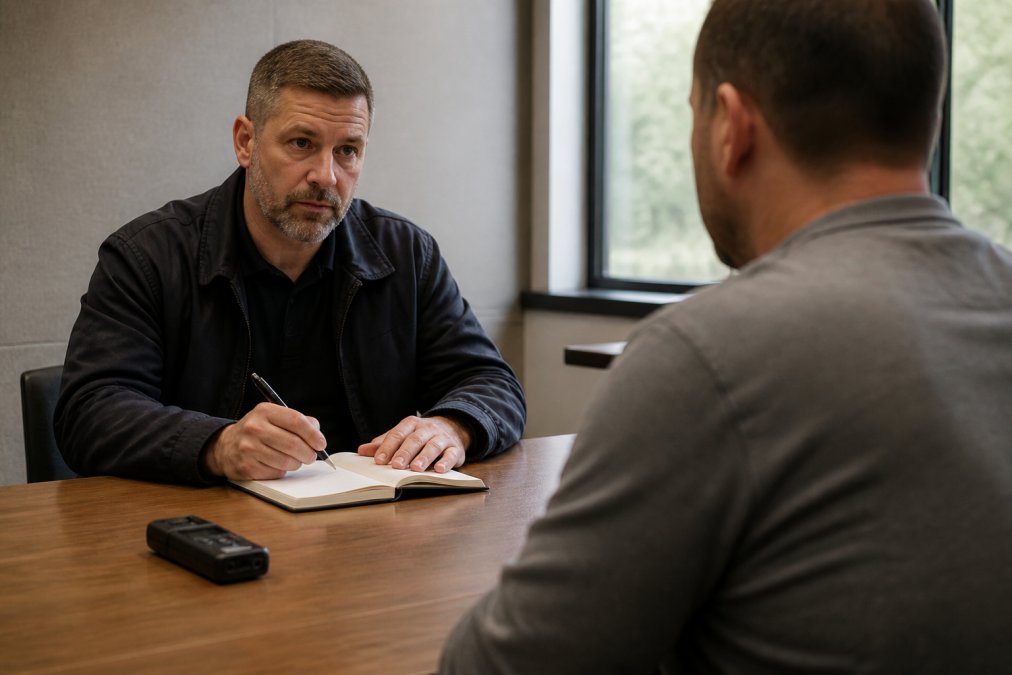
When you need investigative support for a legal case, a private investigator becomes your team's fact-finder. The process starts with clarity: what specific information do you need, and why does it matter to your case?
Define the scope precisely. Are you locating witnesses? Documenting a crime scene? Retrieving records across multiple states? Investigating someone's background or financial history? Each task has different time requirements and costs. A witness interview takes hours. Locating someone across three states takes days or weeks. Retrieving certified copies of public records depends on how many jurisdictions you're searching.
Interview potential investigators about their experience with your specific case type. A wrongful death investigator may not be the right fit for infidelity documentation. Someone experienced in criminal defense discovery knows how to gather evidence that will survive legal scrutiny. An investigator who specializes in background screening for employers has different skills than one who locates missing persons.
Ask about their timeline. Can they complete the work before your trial date or discovery deadline? Weeks matter. If your attorney needs witness statements in 60 days, confirm the investigator can deliver. Some investigators juggle multiple cases; others focus on fewer clients and move faster.
Verify their credentials. Missouri requires private investigators to be state-licensed. Ask for their license number and confirm it's current with the Missouri Secretary of State. Ask about their professional affiliations, membership in the National Defenders Investigator Association or similar organizations signals commitment to professional standards.
Discuss how they'll handle sensitive information. Confidentiality is essential. Your investigator should explain their security practices, how they store findings, and who has access to your case file. In criminal defense work, attorney-client privilege protects communications with your attorney. Communications with your investigator may not have the same protection, understand that distinction.
Ask directly about admissibility. You don't want to spend money on evidence that won't hold up in court. A good investigator knows what courts expect: proper chain of custody for physical evidence, documented sources for records, clear notes on witness interviews. They should explain how they'll document their work so it survives legal challenge.
How to Vet a Private Detective: Key Questions
Before signing an engagement letter, ask these questions to separate competent investigators from inexperienced ones.
Experience with your case type: "How many cases like mine have you handled in the past three years?" A specific number matters more than "lots of experience." Someone who's handled 20 criminal defense discovery cases knows the landscape better than someone who's done five.
Timeline and availability: "Can you commit to completing this work by [your deadline]?" Don't accept vague answers like "probably" or "should be able to." If they can't guarantee it, move on. Your case has a deadline. Your investigator needs to respect it.
Licensing and credentials: "What's your Missouri private investigator license number?" Verify it independently with the Secretary of State. Ask about professional memberships. The National Defenders Investigator Association membership signals that an investigator meets professional standards and stays current with legal developments.
Geographic reach: "Can you work across state lines if needed?" Some investigators operate only within Missouri. If you need to locate a witness in another state or retrieve records from multiple jurisdictions, you need someone with that capability. MCP Investigations & Security, for example, has nationwide record retrieval capability, a significant advantage for multi-state cases.
Cost structure: "How do you charge, hourly, flat fee, or contingency?" Understand the billing model. Hourly rates vary widely depending on experience and location.
Cost of Hiring a Private Investigator
Investigation costs vary based on complexity, timeline, and geographic scope. Pricing depends on the specific work required, how many jurisdictions you're searching, and how quickly you need results.
When to Choose a Private Investigator Over Local Authorities
Choose a private investigator when speed matters, when the investigation falls outside law enforcement's mandate, or when you need an independent investigation that protects attorney-client privilege.
Conclusion
The choice in Box Investigating vs local Missouri agencies depends entirely on what you're trying to accomplish. Private investigators excel at speed, confidentiality, and working outside law enforcement's scope. Local authorities have enforcement power and jurisdiction-specific expertise. They operate under different legal frameworks with different capabilities.
Frequently Asked Questions
What is the main difference between a private investigator and local government agencies?
Private investigators operate independently with limited statutory authority, focusing on civil and criminal defense work through surveillance, interviews, and record retrieval. Local agencies like police departments have investigative jurisdiction, search warrant authority, and access to law enforcement databases. Private investigators cannot make arrests or conduct official investigations but can work faster, maintain confidentiality, and operate across jurisdictions without bureaucratic delays. For litigation support and criminal defense cases, private investigators gather evidence that attorneys can use, while agencies conduct official criminal inquiries.
Is Box Investigating licensed to operate in Missouri?
Box Investigating operates as a private investigative service, but licensing requirements vary by state and service type. Missouri requires state licensure for private detectives conducting investigations. Before hiring any investigator, verify their state license through the Missouri Secretary of State's office and confirm their standing with professional organizations. Ask for proof of licensing, insurance, and background during your vetting process. This protects you from unlicensed operators and ensures compliance with state regulations.
How quickly can a private investigator deliver evidence compared to local authorities?
Private investigators typically work faster than government agencies, which face caseload surges and bureaucratic processes. Most private investigators can complete witness interviews and scene documentation within 60 days, while police departments may take months due to staffing constraints and competing priorities. For litigation with tight deadlines, private investigators provide the speed needed. However, evidence must still meet admissibility standards in court. Verify that your investigator understands courtroom requirements and can testify as an expert witness if needed for depositions or trials.
What qualifications should I look for when hiring a private investigator for litigation?
Seek investigators with state licensure, professional association membership (such as the National Defenders Investigator Association), and experience in your specific case type (criminal defense, wrongful death, infidelity, or background checks). Ask about their ability to testify as an expert witness in depositions and trials. Verify they have nationwide capability for record retrieval and witness location. Check references from attorneys or previous clients. Confirm they understand evidence admissibility standards and can deliver certified documentation acceptable in court. Years of experience and a track record with complex, multi-state cases indicate reliability.